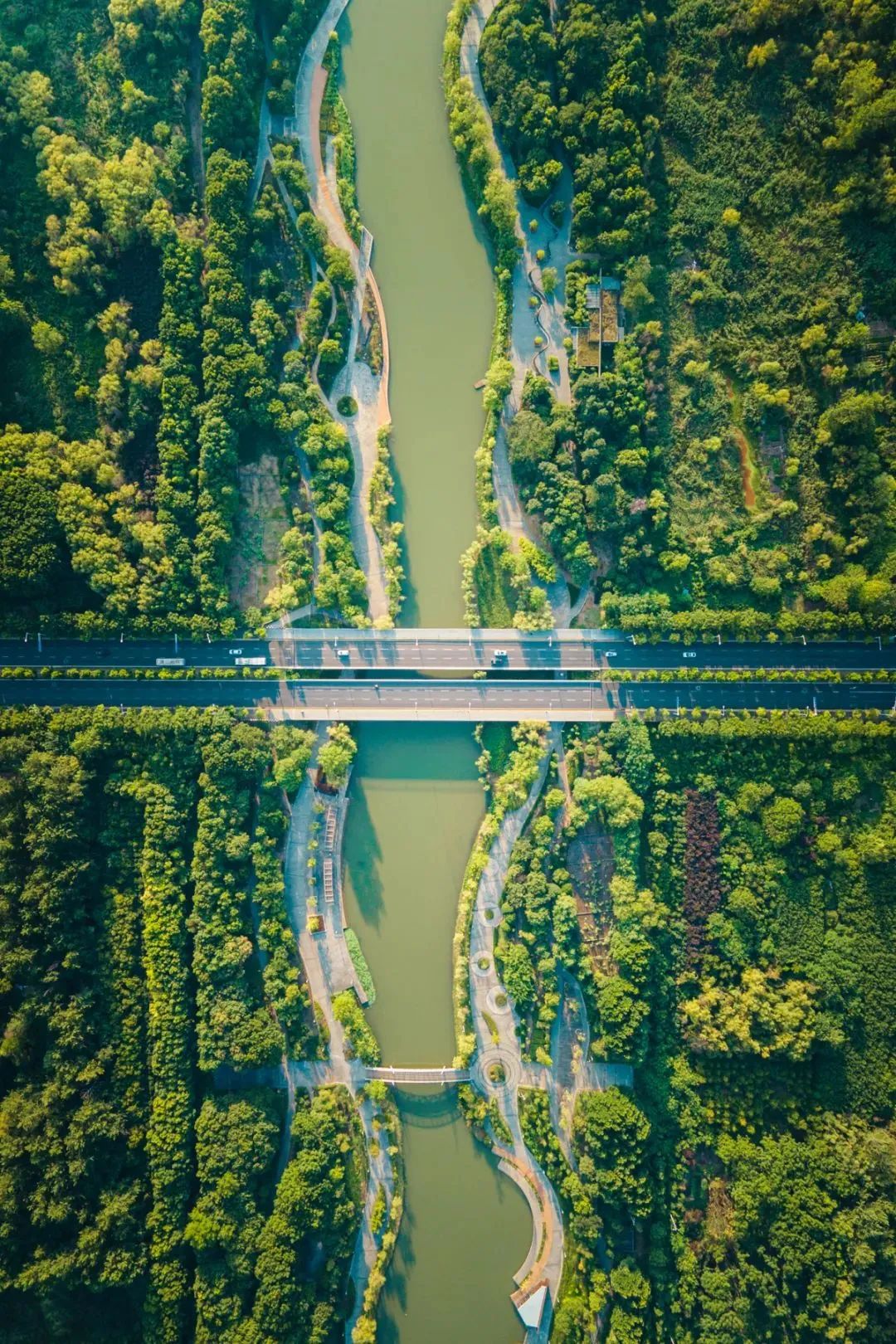
In recent years, Wuhan's various districts have been striving to increase the level of opening-up by developing brands with distinctive features. To help our readers better understand this, more effectively tell Wuhan stories to the world, and celebrate the 20th National Congress of the Communist Party of China (CPC) with practical action, we are launching a series of bilingual reports related to "One District, One Brand." In this report, we take a look at Hanyang District, the birthplace of Zhiyin culture in Wuhan.
Located at the confluence of the Yangtze and Han rivers, Hanyang District is rich in historical and cultural resources. It has witnessed China's modern industrial development and its steady growth in strength. The district is also home to the Zhiyin culture, which originates from an ancient story highlighting the profound friendship between Yu Boya and Zhong Ziqi.
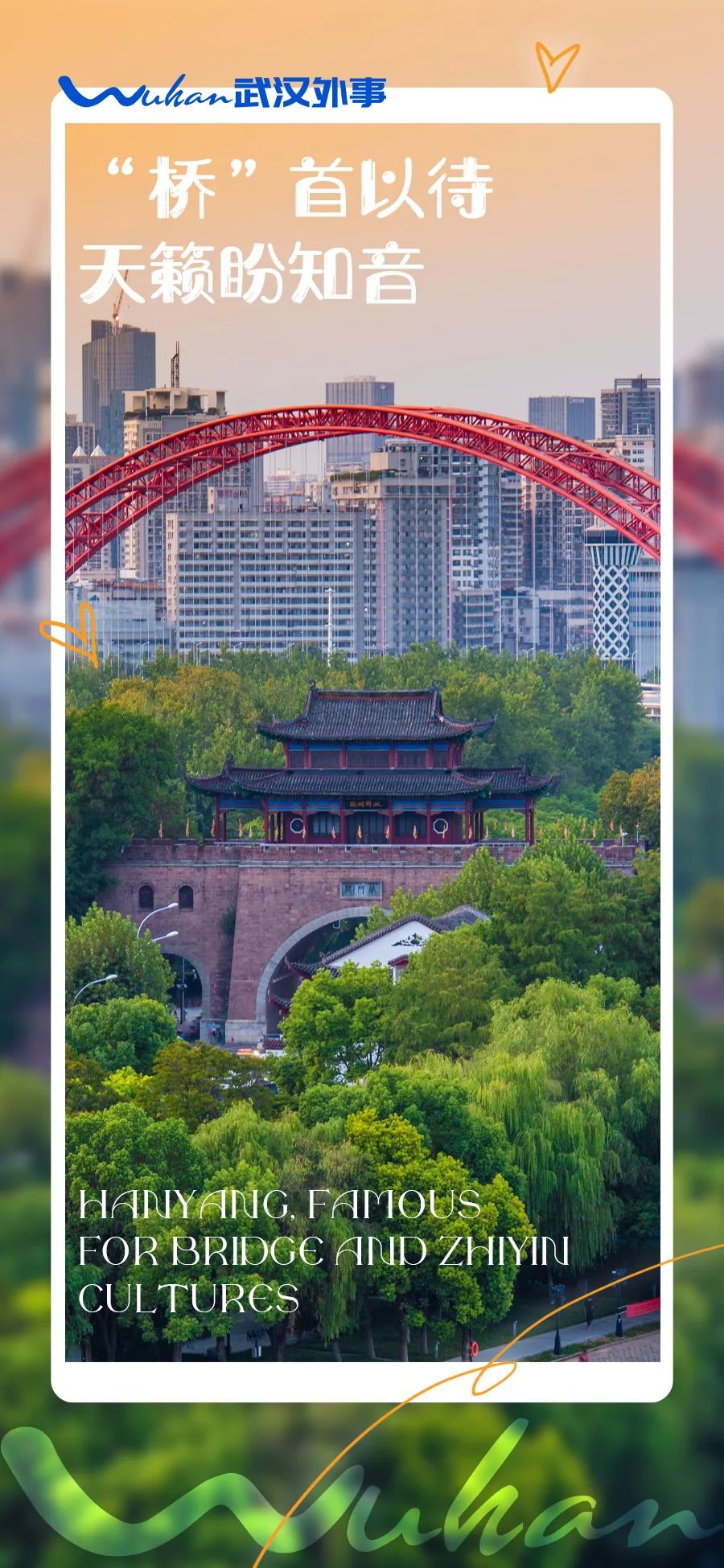
Technology-equipped bridge culture
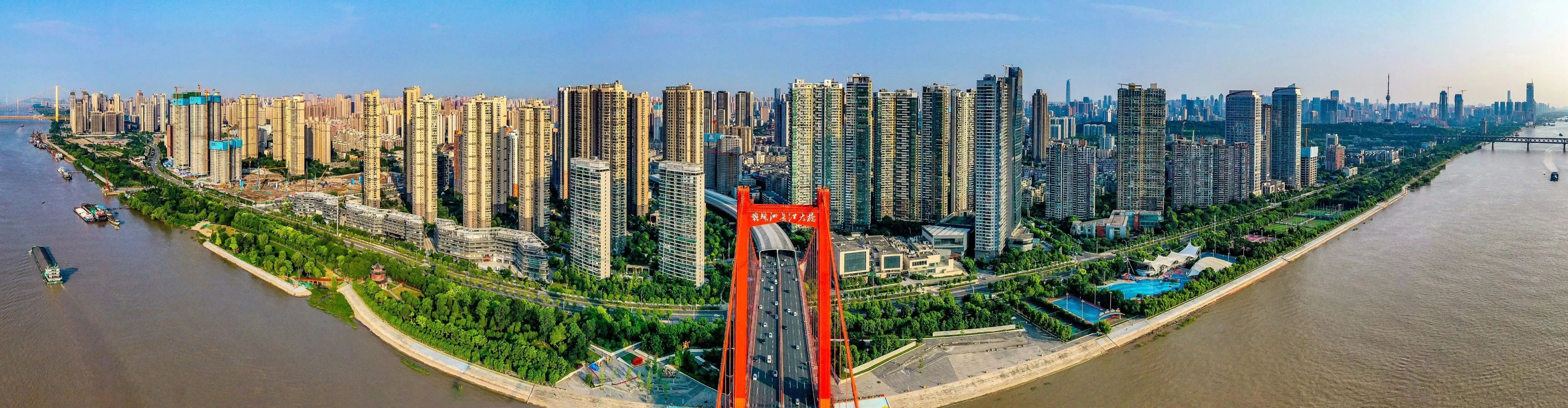
In October 1957, the Wuhan Yangtze River Bridge, the first bridge on the river, connecting Tortoise Hill in Hanyang and Snake Hill in Wuchang, opened to traffic, marking the beginning of an era for China’s modern bridge construction. China Railway Major Bridge Engineering Group Co., Ltd., the builder of the bridge, is located in Hanyang. Since then, the company has witnessed the growth of bridge building enterprises in China and the expansion of their businesses throughout the world.
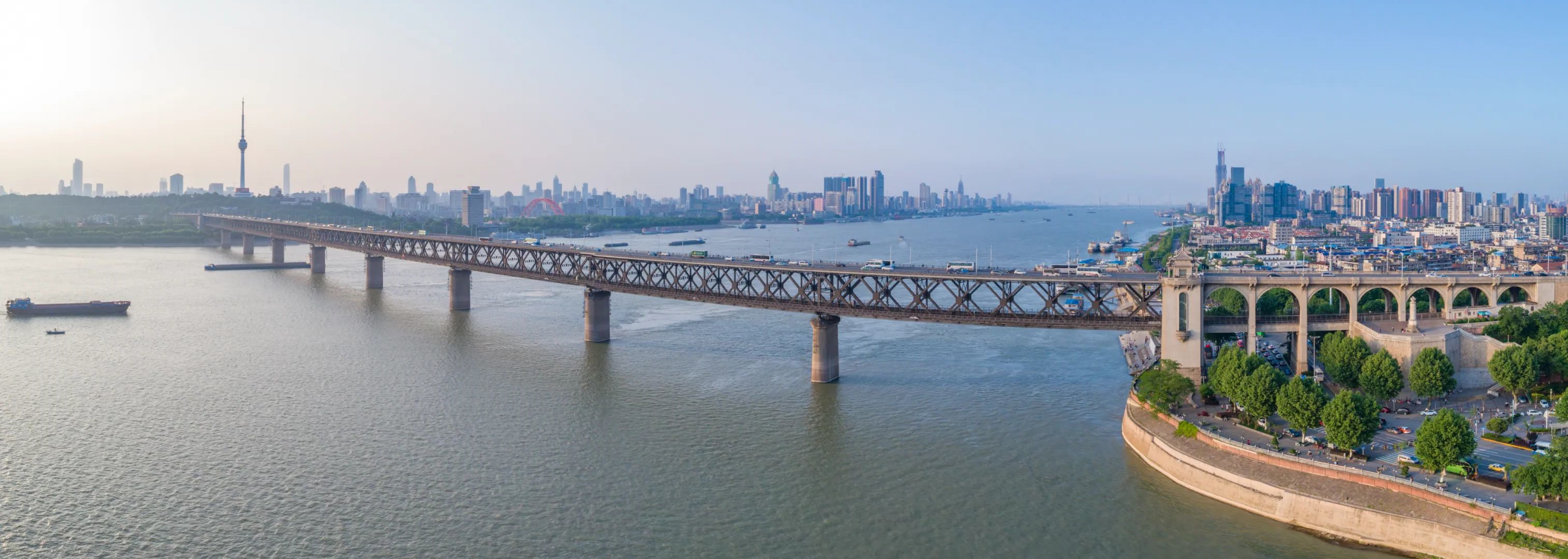
Looking around from the Wuhan Yangtze River Bridge, one can easily view the nearby grand Yingwuzhou and Yangsigang Yangtze River bridges as well as the “rainbow” Qingchuan, “blue fairy tale” Yuehu and “twin tower” Gutian bridges. Under the Yingwuzhou Yangtze River Bridge, there is a bridge-themed park where a 120-meter-long and 3-meter-high bridge-themed sculpture wall impresses visitors.
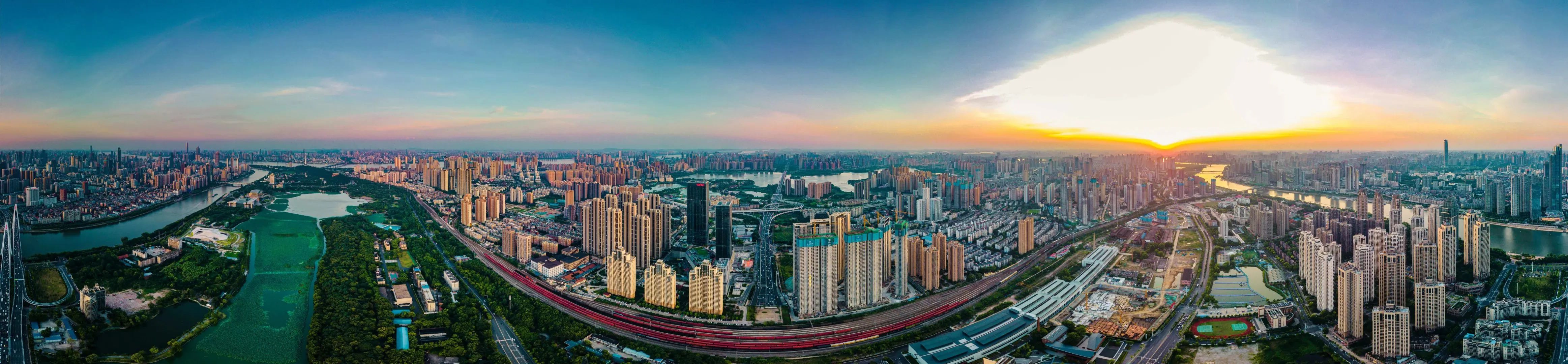
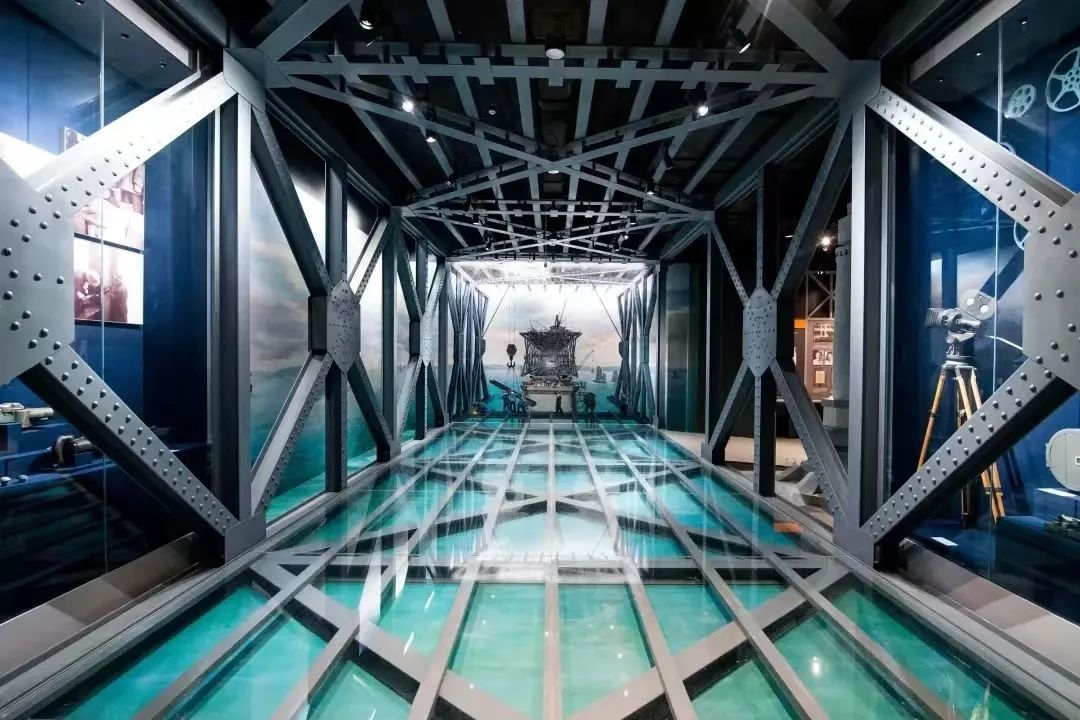
As Hanyang’s bridge culture becomes popular, Wuhan Bridge Museum has come into being. Collections of various related materials, models and pictures along with 5D videos, panorama movies and VRs collectively showcase the history, culture, and technology of bridges.
Zhiyin culture promotes high-quality tourism development
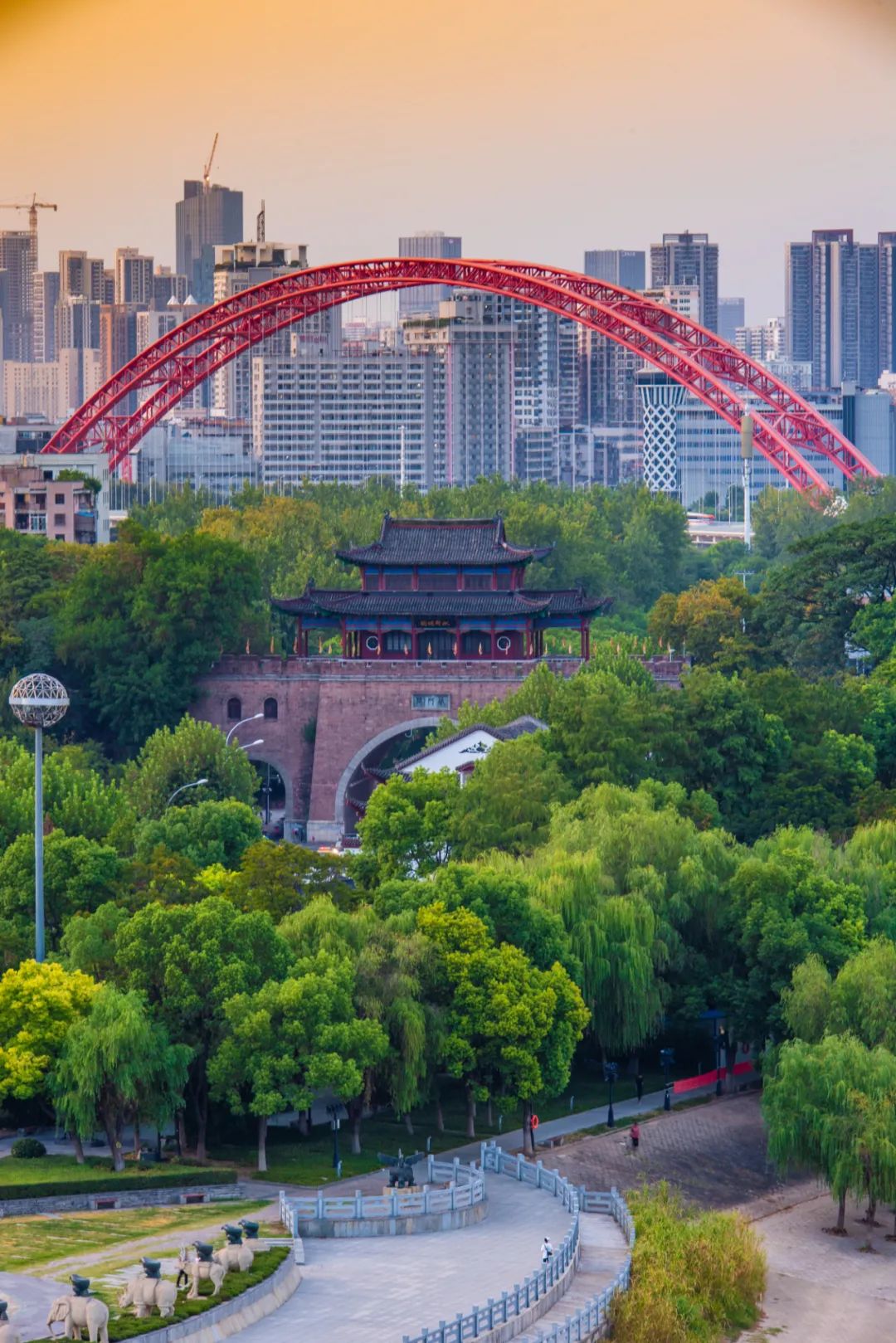
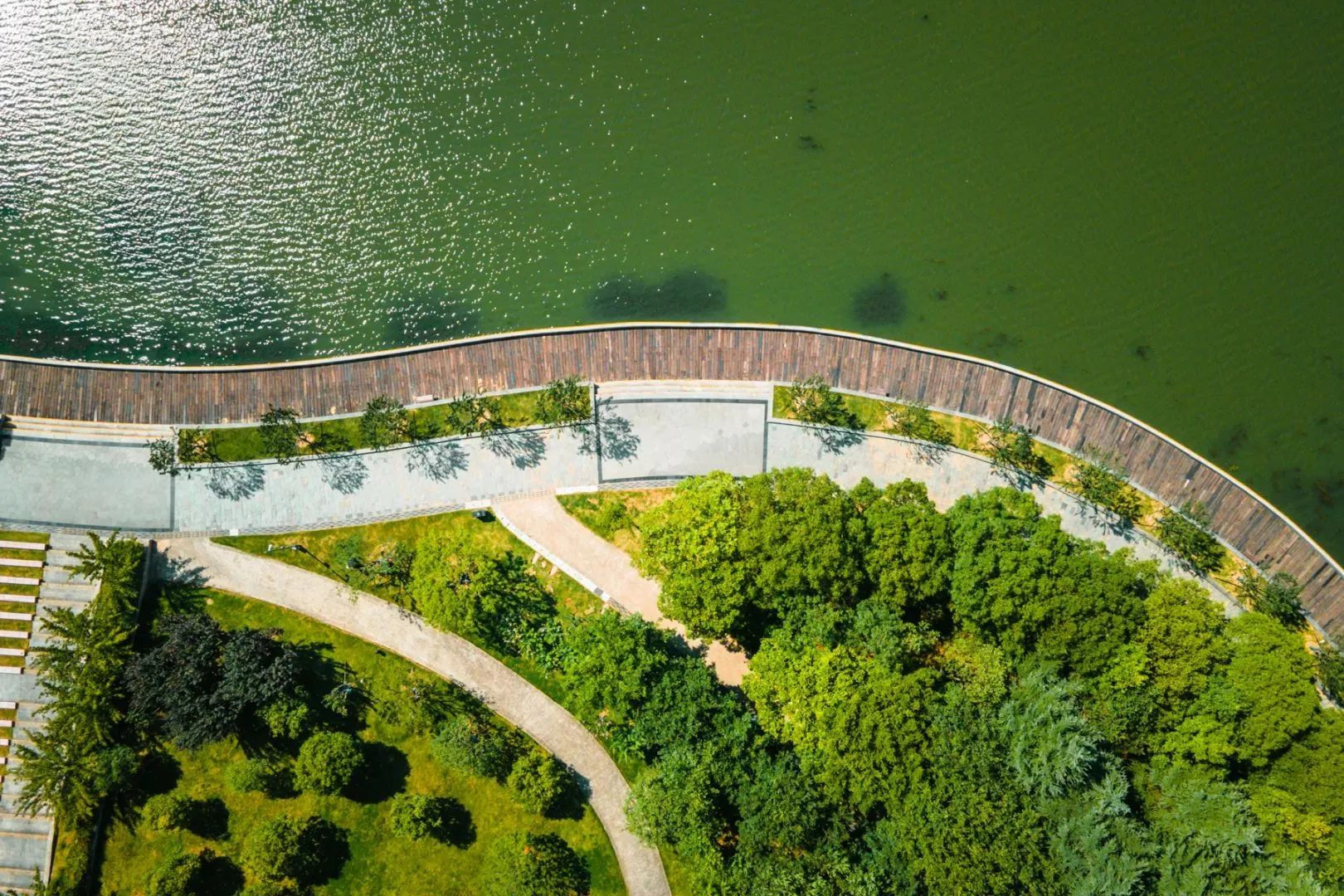
Yuehu Lake, known as “the most beautiful reception hall in Wuhan,” links clusters of green woods in the city. Tortoise Hill has always been a popular tourist destination. It even appeared in poetry by ancient poets like Cui Hao in the Tang dynasty and Su Dongpo in the Song. Tourists from all parts of the world have come to enjoy its scenery.
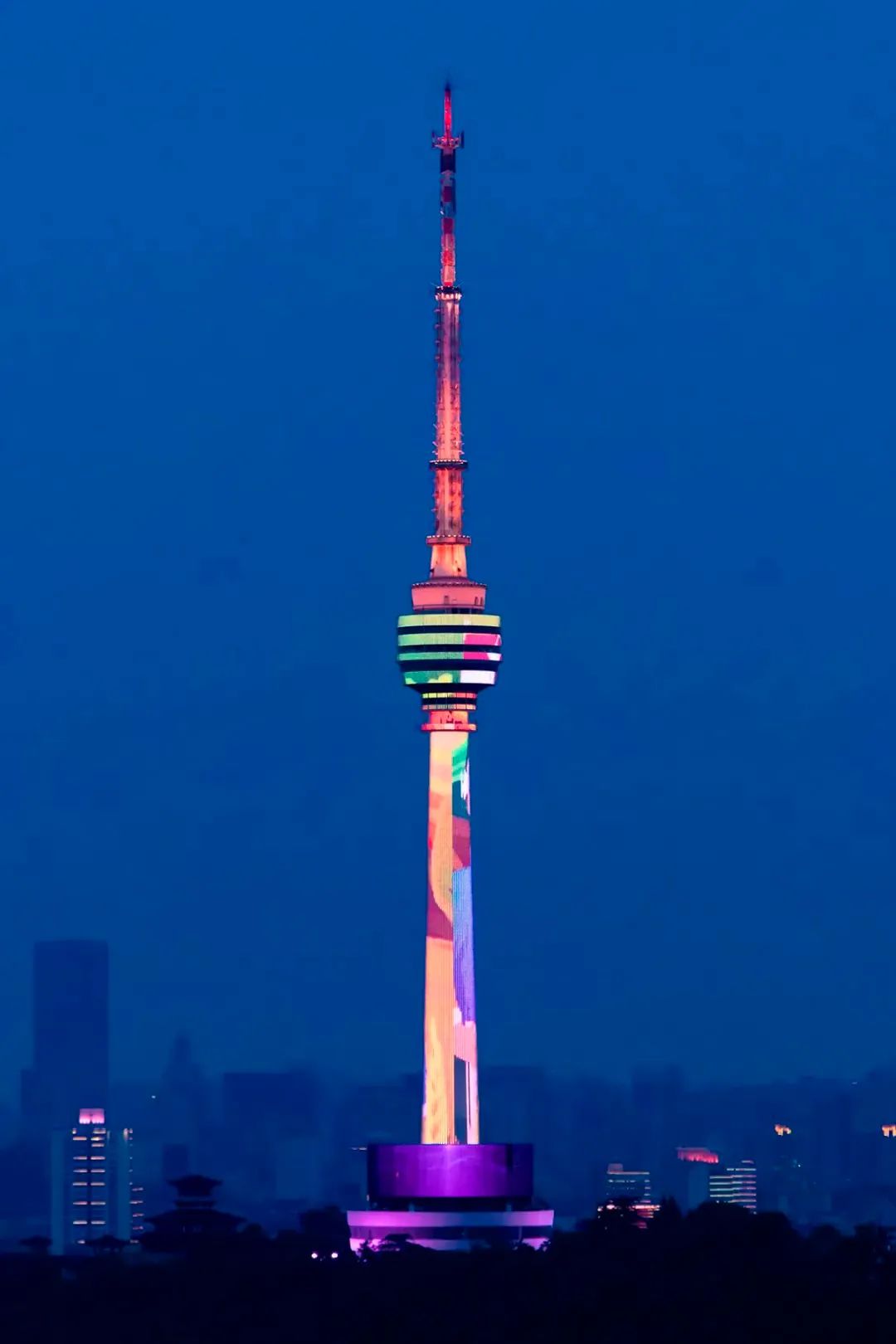
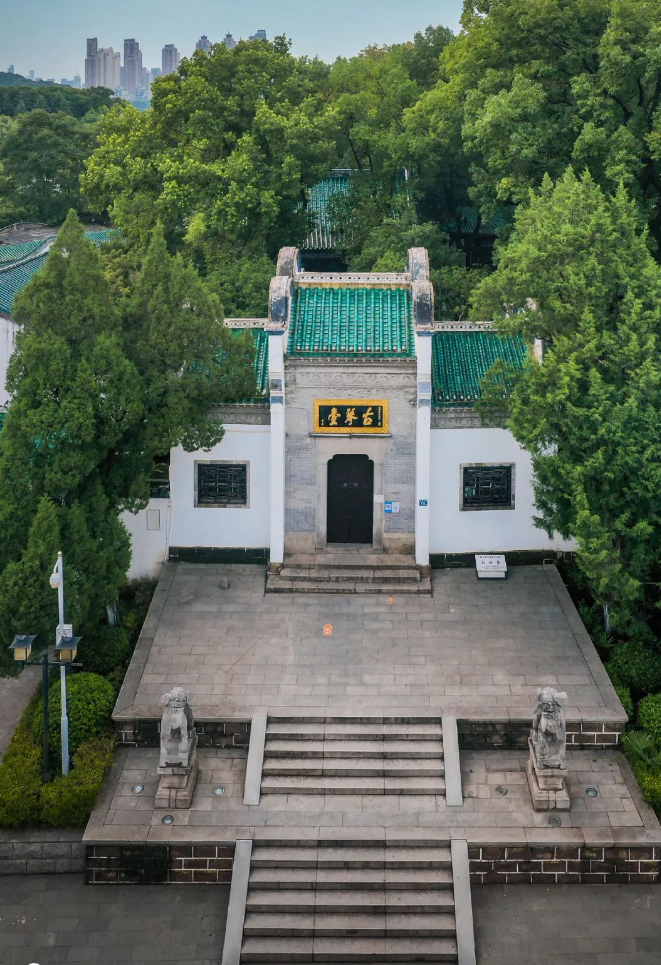
The Guqin Terrace offers you a window with which you can catch a glimpse of the story of Yu Boya and Zhong Ziqi. There are relics from the Qing dynasty there, such as the white marble statue called “Yu Boya Playing Guqin,” the Chinese characters “印心石屋” written by Daoguang Emperor, and three inscriptions, all of which depict the legendary friendship.
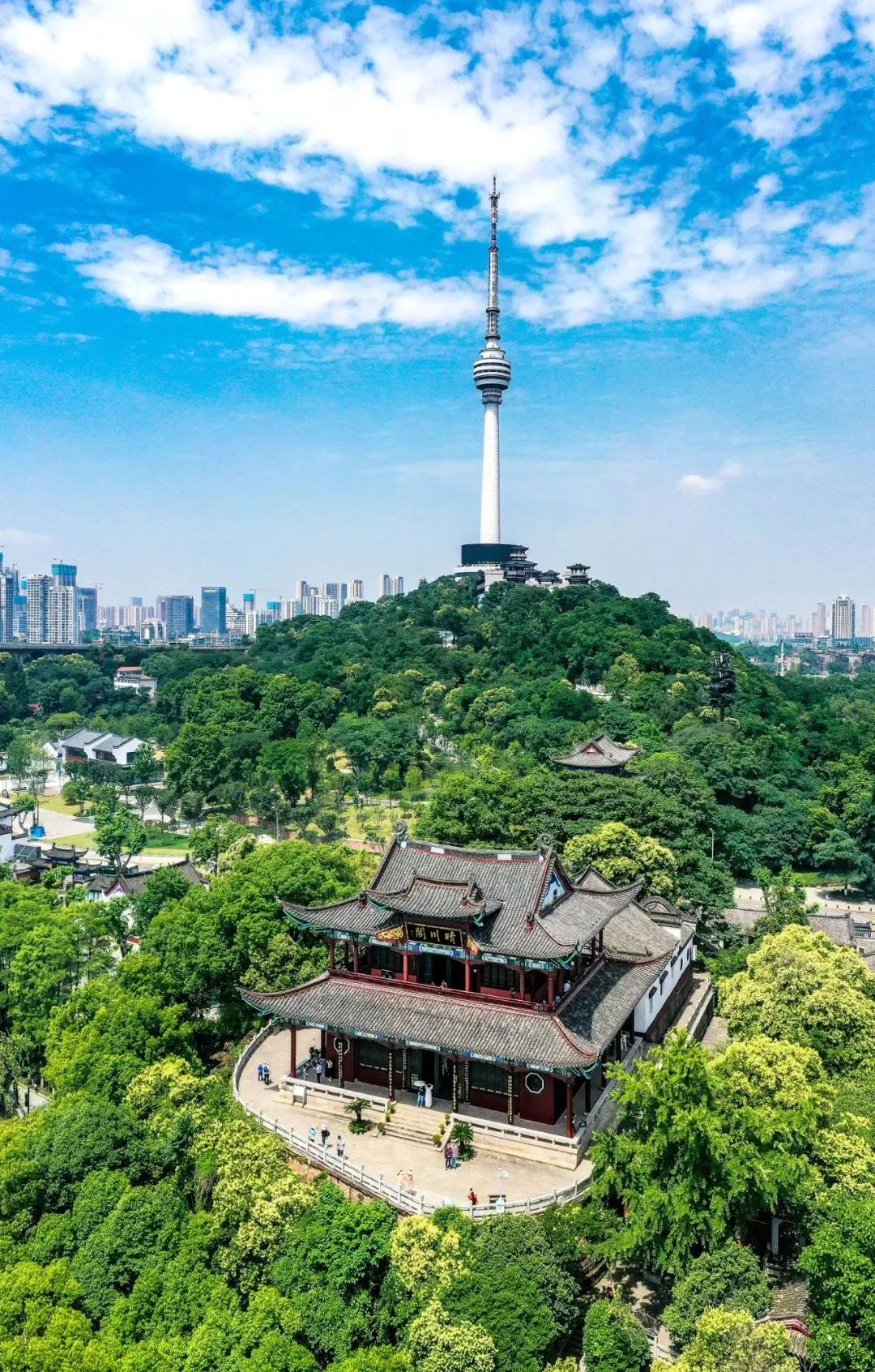
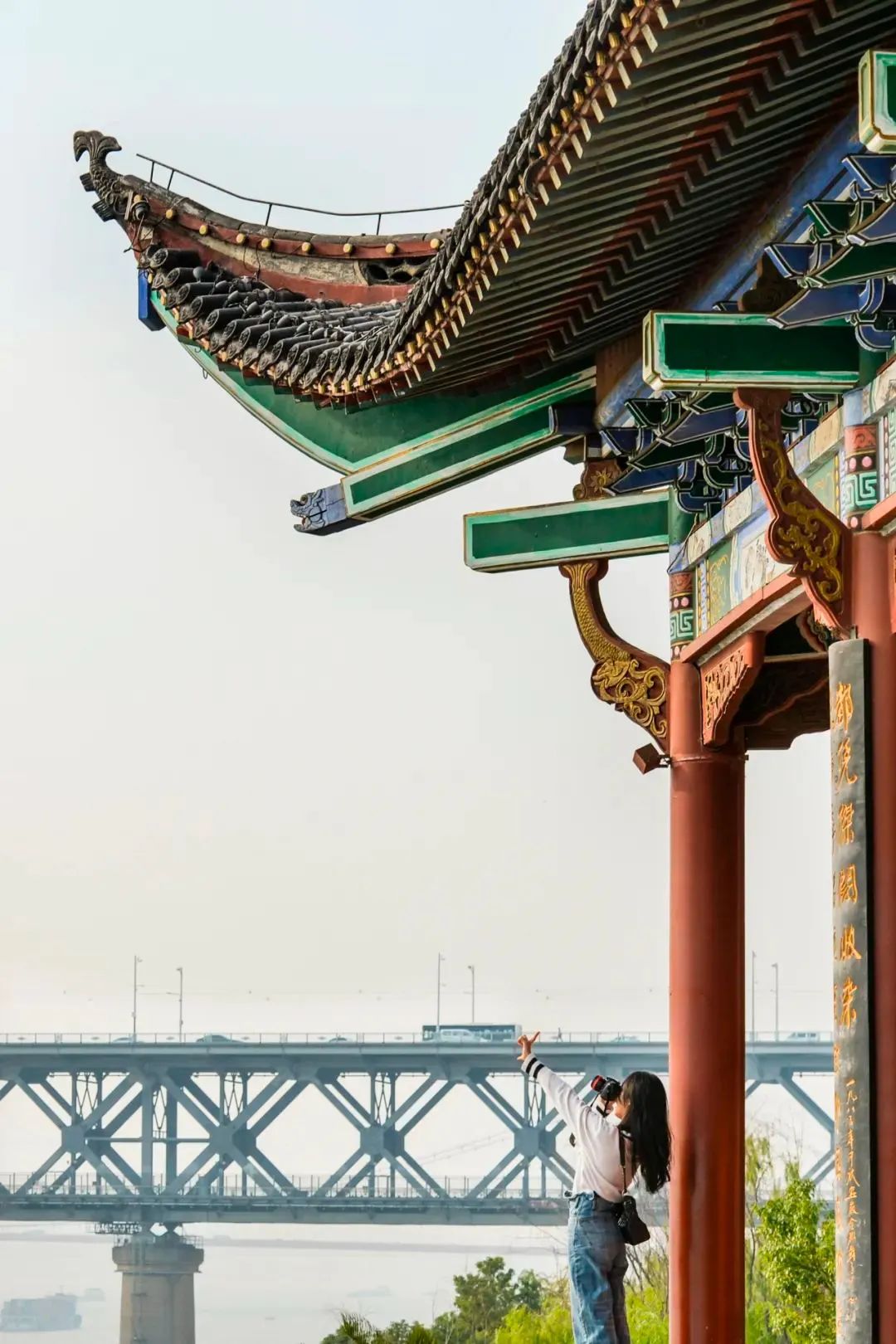
The Qingchuan Pavilion, the only scenic and historical site in Wuhan that stands near the Yangtze River, was built in the classic Chu style. For instance, the 17.5-meter-high main building of the Qingchuan Pavilion, with its granite foundation, red walls and columns, and multi-layered eaves, is filled with Chu cultural atmosphere.
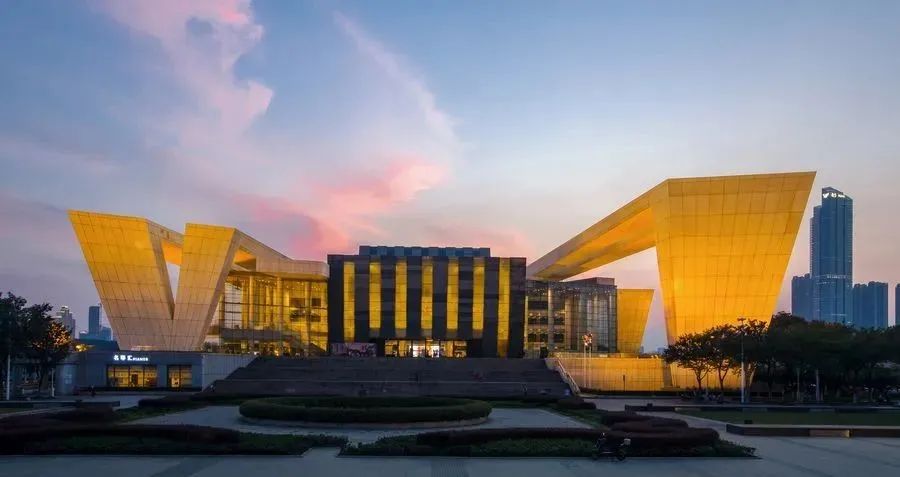
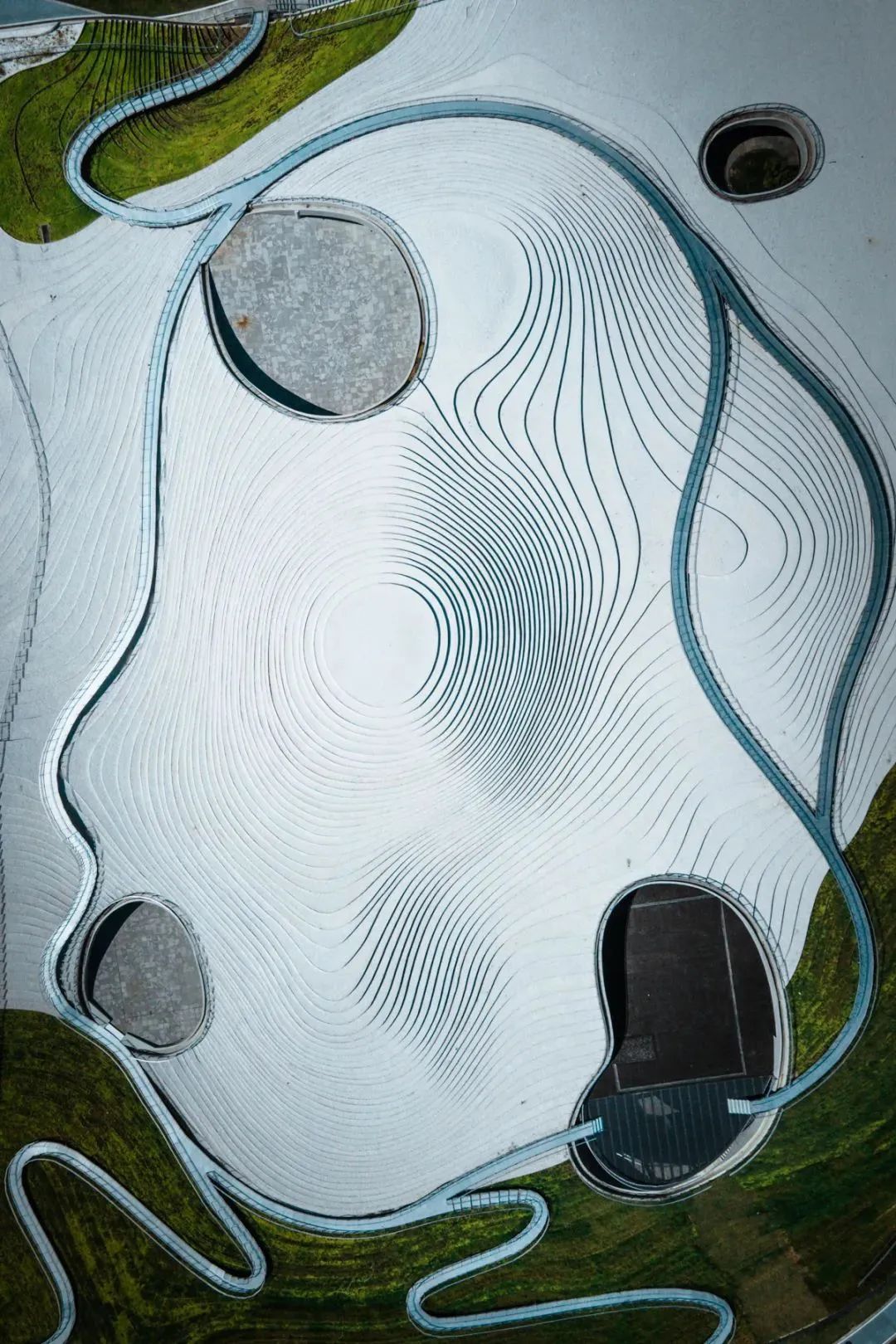
The Qintai Grand Theater, built in the shape of a “guqin” (a Chinese seven-stringed ancient zither), has become the cultural center on Hanyang’s tourism map. The theater, which is nestled in a beautiful landscape, regularly charms audiences with the wonders of operas, dance dramas and musicals.
Taking culture as the essential resource and combining it with its rivers, lakes, hills and bridges, Hanyang District is working towards becoming a world-class tourist destination with distinctive characteristics. More successes are only to be expected for its future.