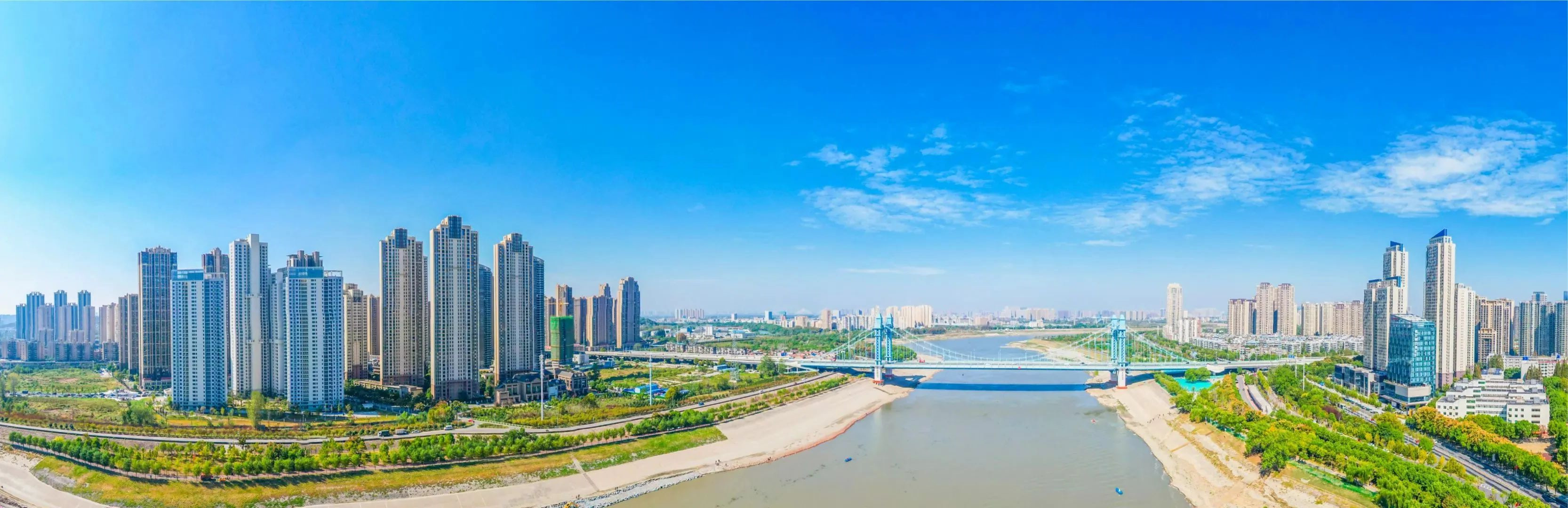
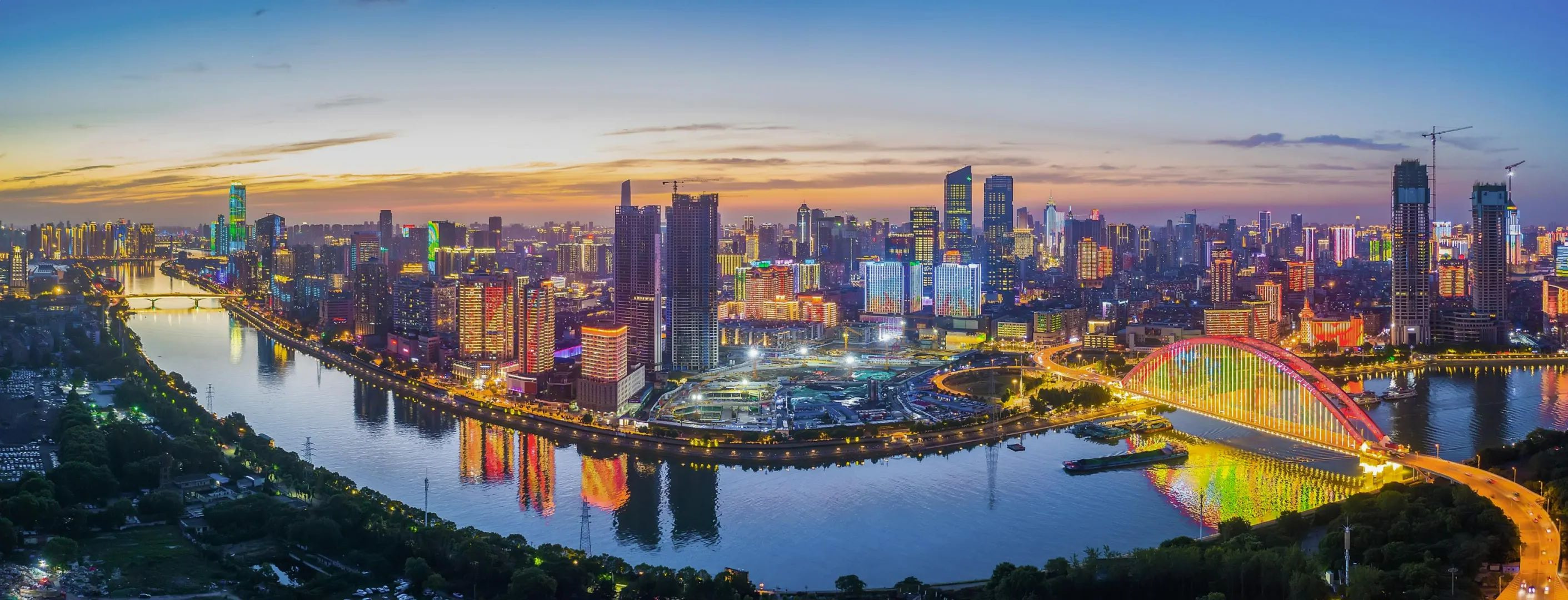
In recent years, Wuhan's various districts have been striving to increase the level of opening-up by developing brands with distinctive features. To help our readers better understand this, more effectively tell Wuhan stories to the world, and celebrate the 20th National Congress of the Communist Party of China (CPC) with practical action, we are launching a series of bilingual reports related to "One District, One Brand." In this report, we take a look at Qiaokou District, origin of Great Hankou.
It is widely acknowledged that Hanzheng Street in Qiaokou District came into being before the formation of Hankou. Formerly synonymous with Hankou, rose from the rivers, and has thrived from business and trade. When tracing the history of Hankou, Qiaokou is inevitably its origin because it was the birth place of modern industry and trade. To uncover the history of Qiaokou, Hanzheng Street, known as the "No. 1 Street under the Sky," is the topic one can not get away from.
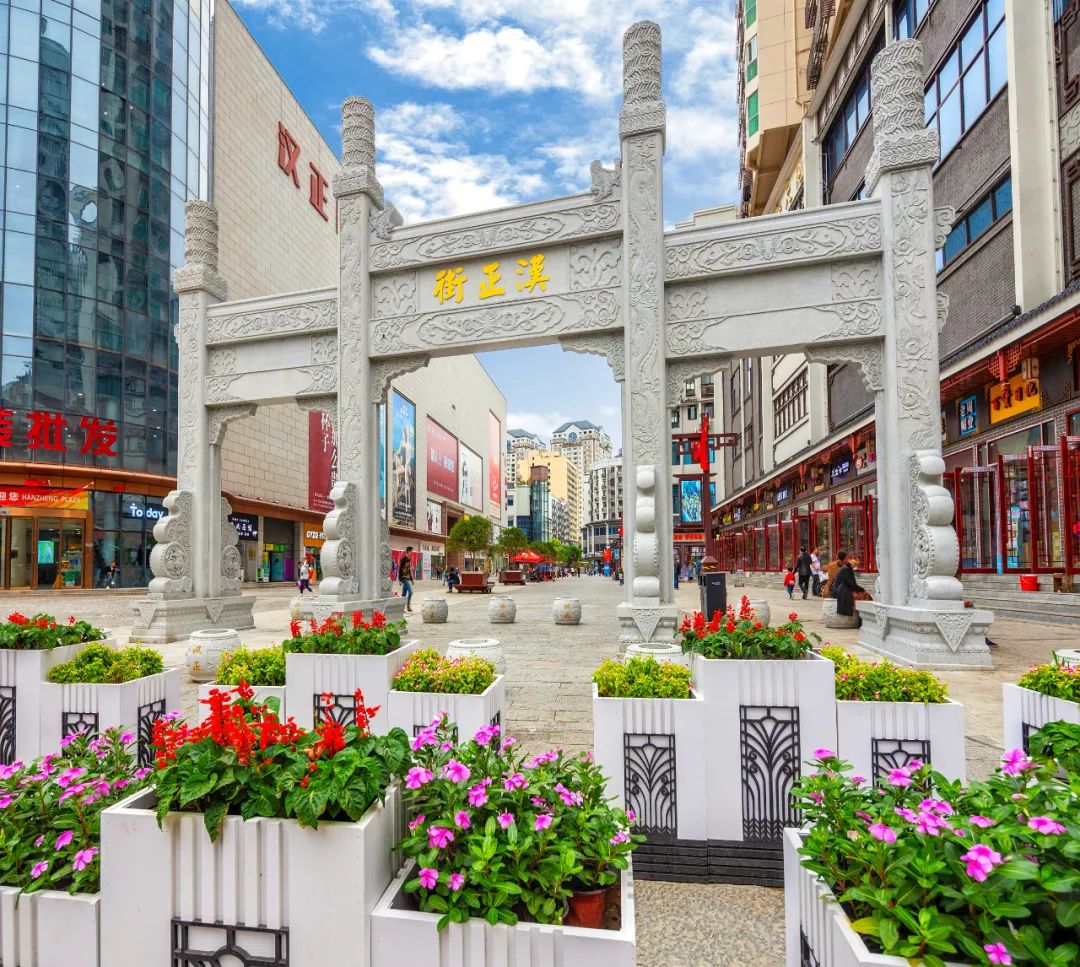
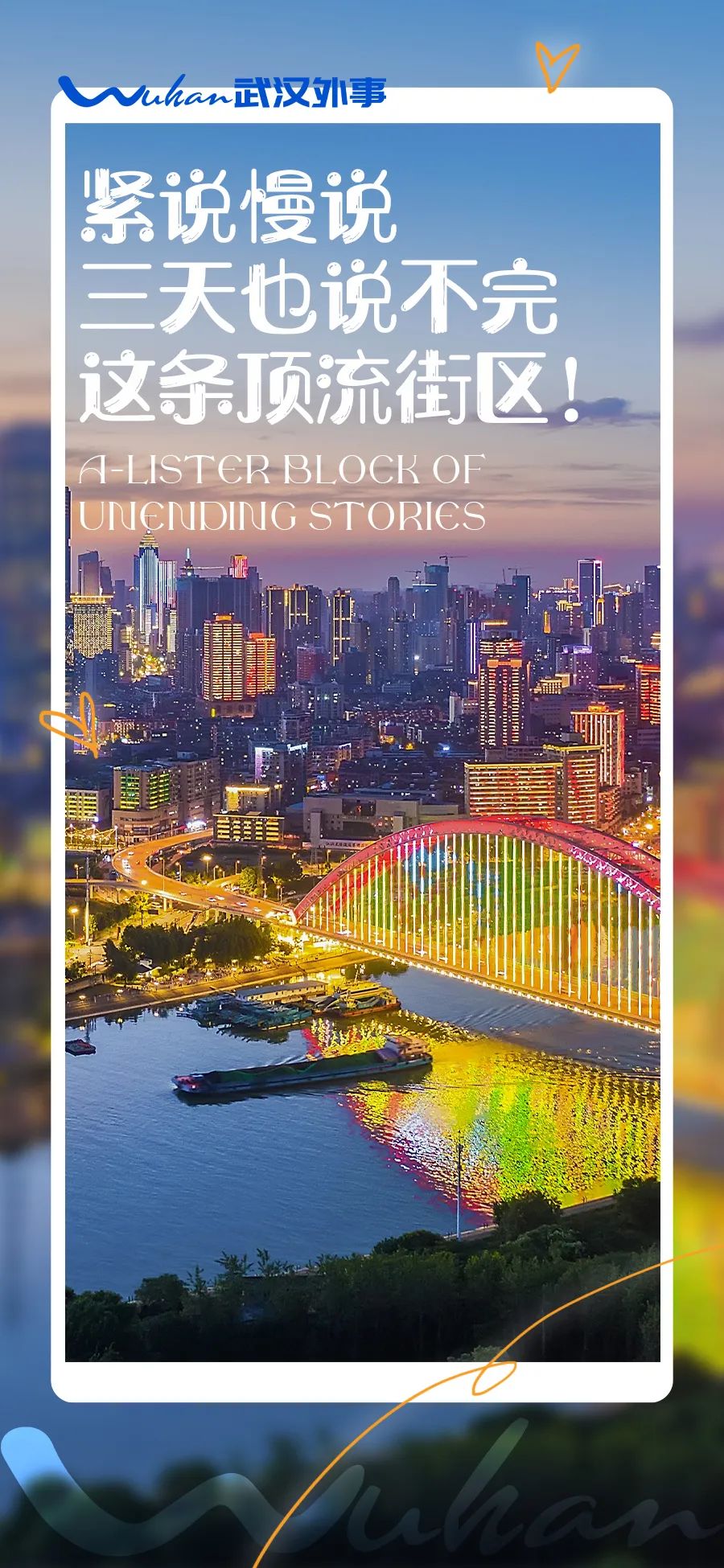
"Whether you talk fast or slowly, you can't finish the stories of Hanzheng Street in three days." In the less than two-square-kilometer area, lanes and alleys cross each other intricately. Inside the labyrinth are countless stories.
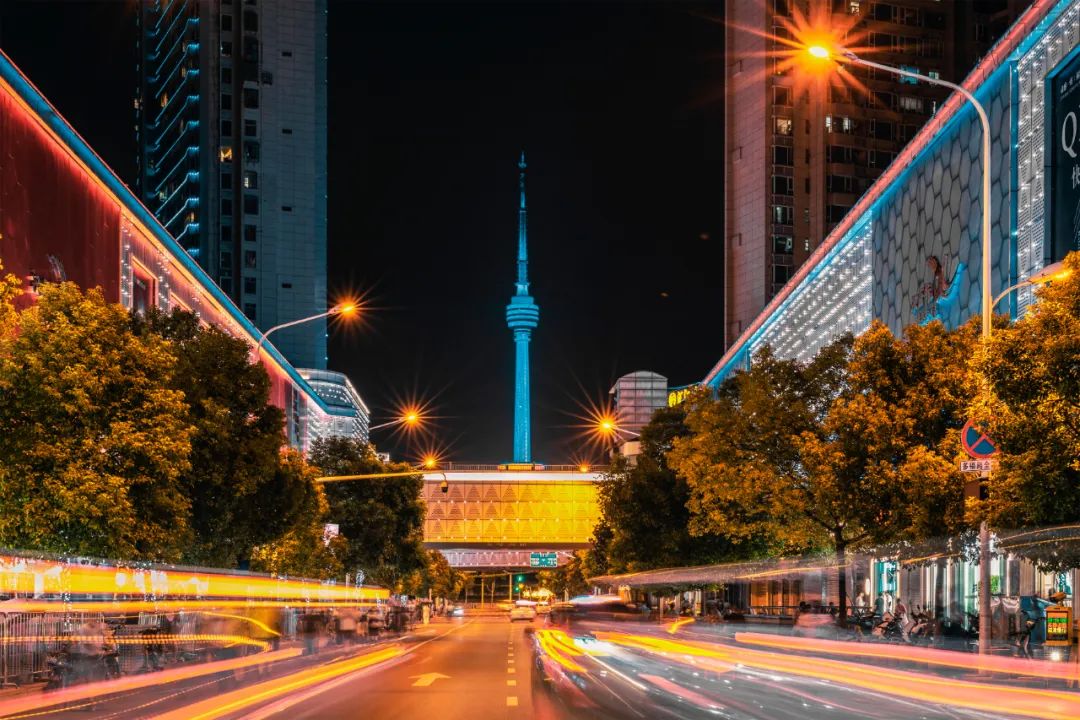
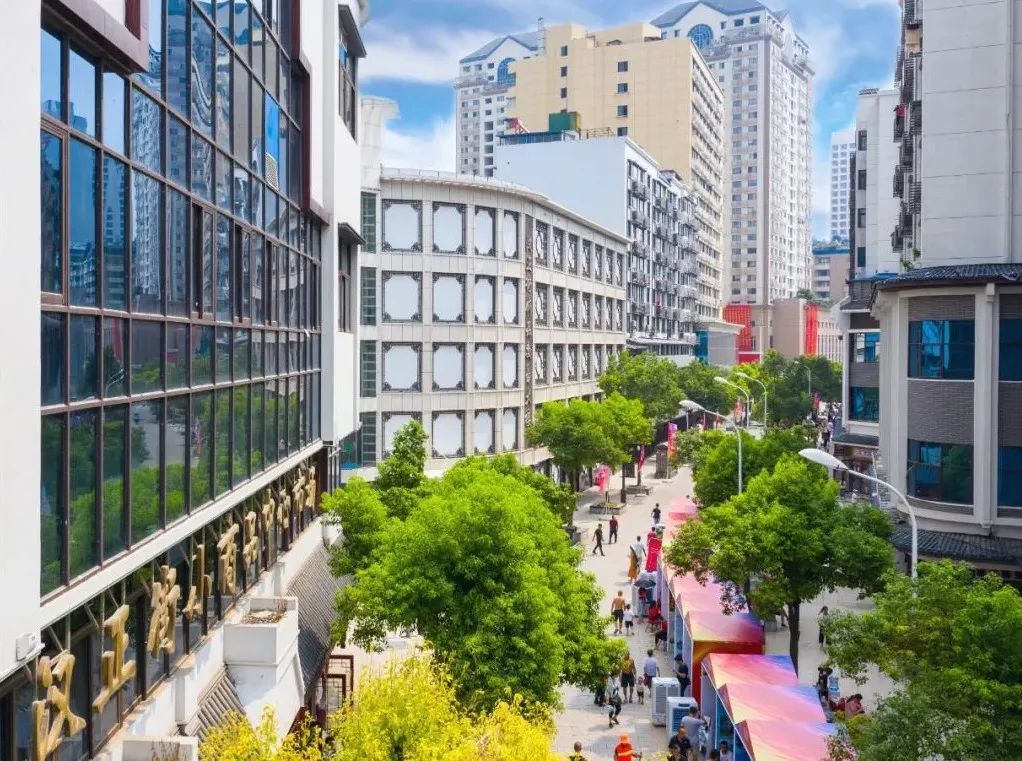
The street is the root of Wuhan City and the origin of its business and trade. It was already a market and town area as early as the reign of the Ming Emperor, Wanli (1573-1620), and during the Kangxi reign of the Qing dynasty (1662-1722), it became the main street of Hankou Town. With Hanzheng Street as the core area, Hankou rose to be one of four celebrated towns of China. Commodities from the street were sold to all corners of the country. "Any commodity in Hankou can find an outlet." It has always been a commercial legend in the business world. A lot of old local brands, including Yekaitai, Suhengtai, Qianxiangyi, and Wangyuxia, have their roots in this quarter.
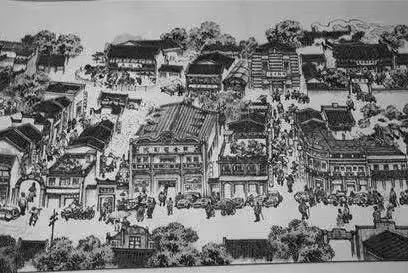
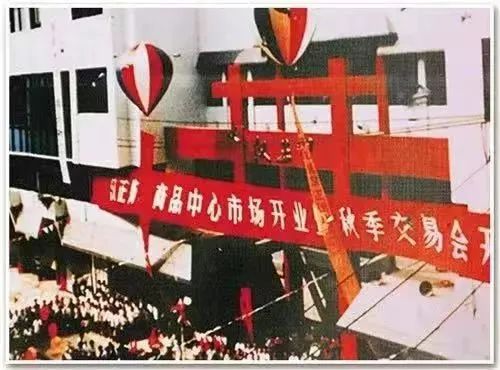
The over-550-year history is the source of pride for Hanzheng Street, but what props it up as the "No. 1 Street under the Sky" is the Wuhan spirit of daring to go ahead of others. In 1979, the first year of opening-up, Hanzheng Street took the lead in the country to reopen the small commodity market; gradually, it evolved into a small commodity wholesale area, a collection and distribution center of national prestige. Wenzhou businessmen selling knitted products, Taizhou businessmen dealing in plastic products, Yiwu businessmen trading clothing accessories, Hunan merchants promoting leather goods and bags… every day thousands of people from all quarters of the country came in and out of the maze of Hanzheng Street, buying and selling their wares.

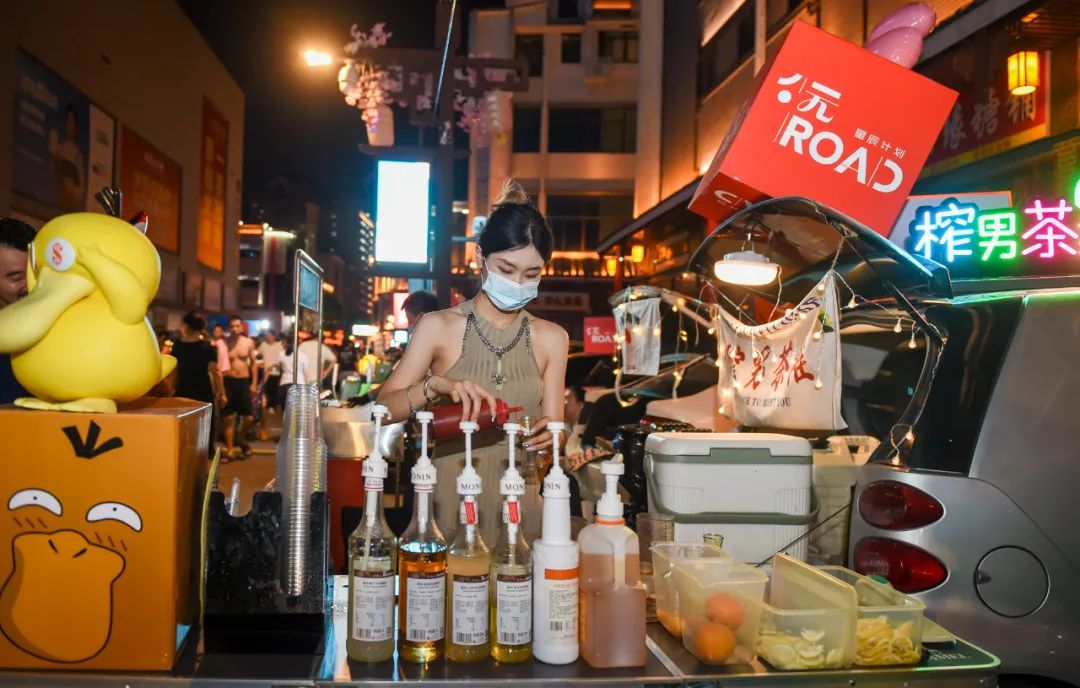
In the new century, the "No. 1 Street under the Sky" is striding on the road of rejuvenation with a fashionable image. Modern commercial centers have risen one after another in this area in recent years, including the Yunshang Wuhan International Fashion Center, the Wuhan BFC Bund Fosun Center, and the Longteng First Avenue. The roads are broader and the environment tidier. The street has even attracted garment wholesalers, retailers, fashion designers and shoppers from the Republic of Korea to sign up and settle in, making it nationally the largest wholesale market dealing in Korean fashion clothing. It has become the choice of trendy youth to bargain and trade with exquisitely dressed Korean shop owners to buy in-trend items coming from Dongdaemun Fashion Town of Seoul.
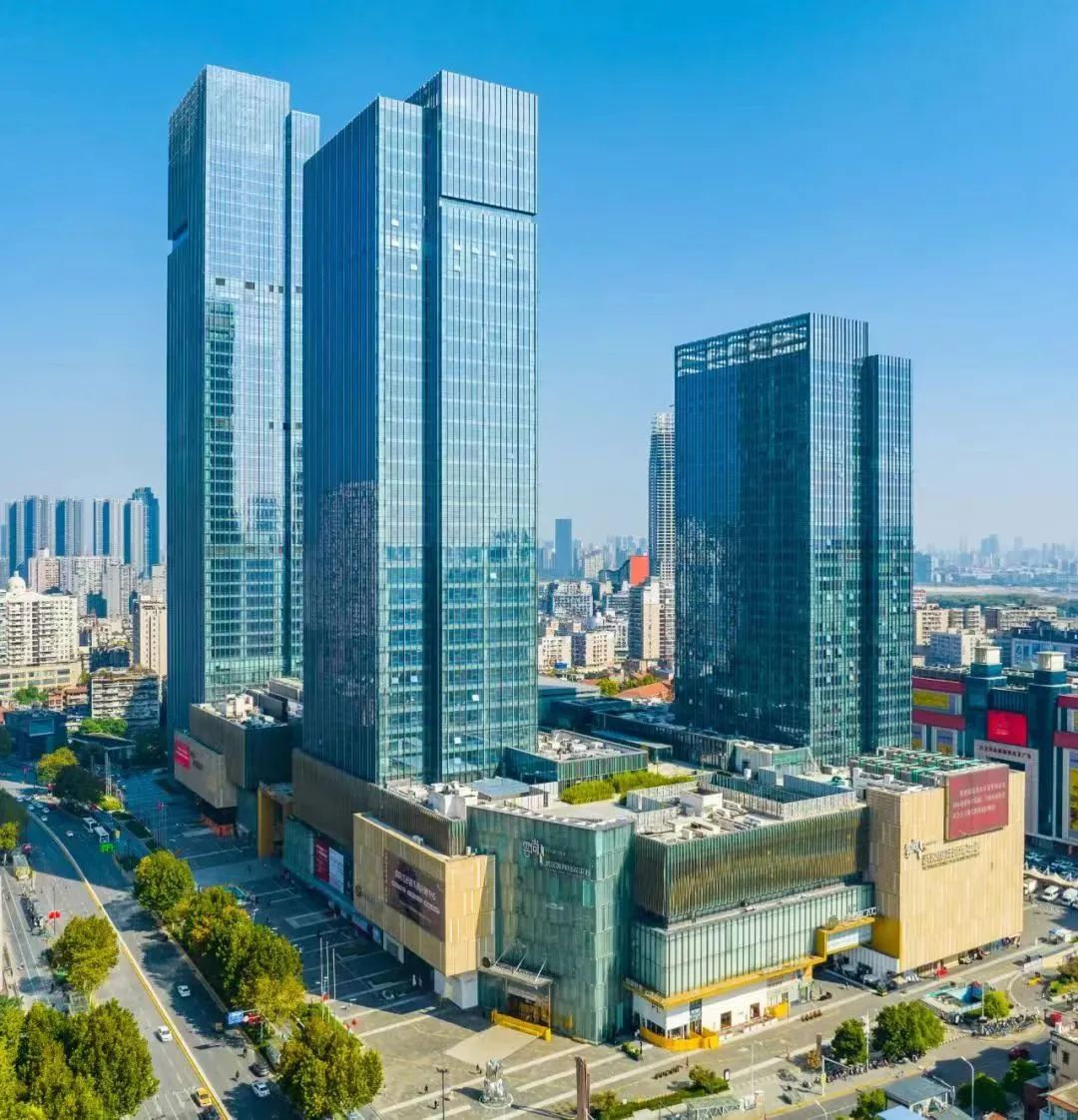
Today, Hanzheng Street is not just a business area, but rather a complete fashion industrial chain. A new business model featuring fashion design and cultural innovation is emerging at an increasing speed to occupy a place in the middle and higher end of the industrial chain.
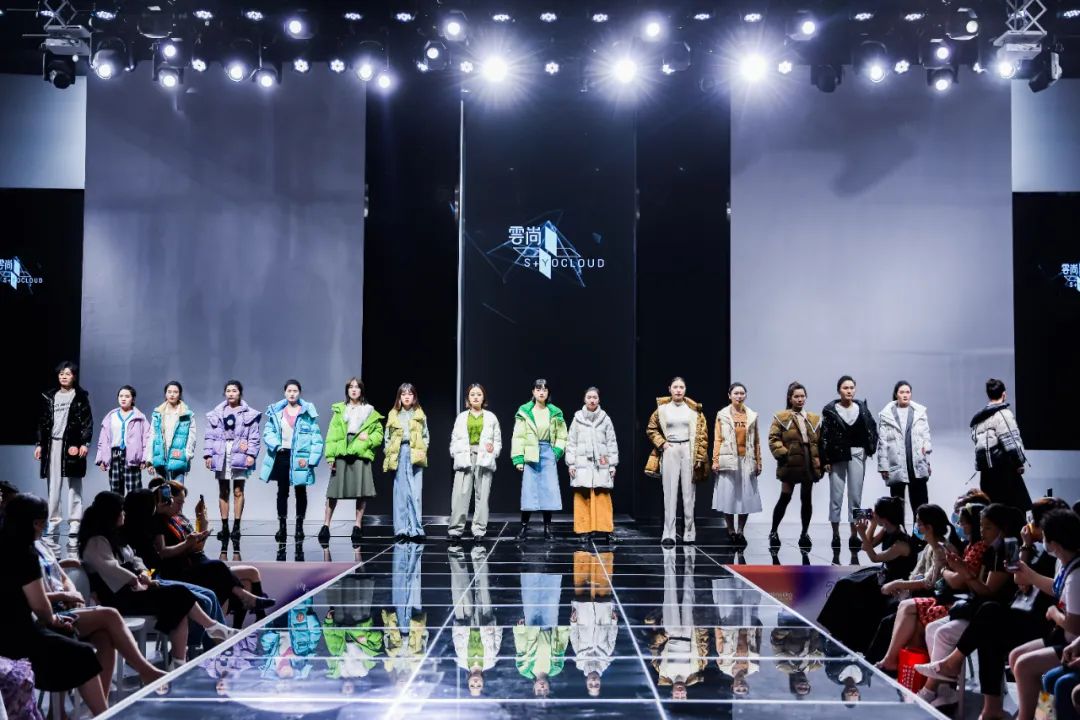
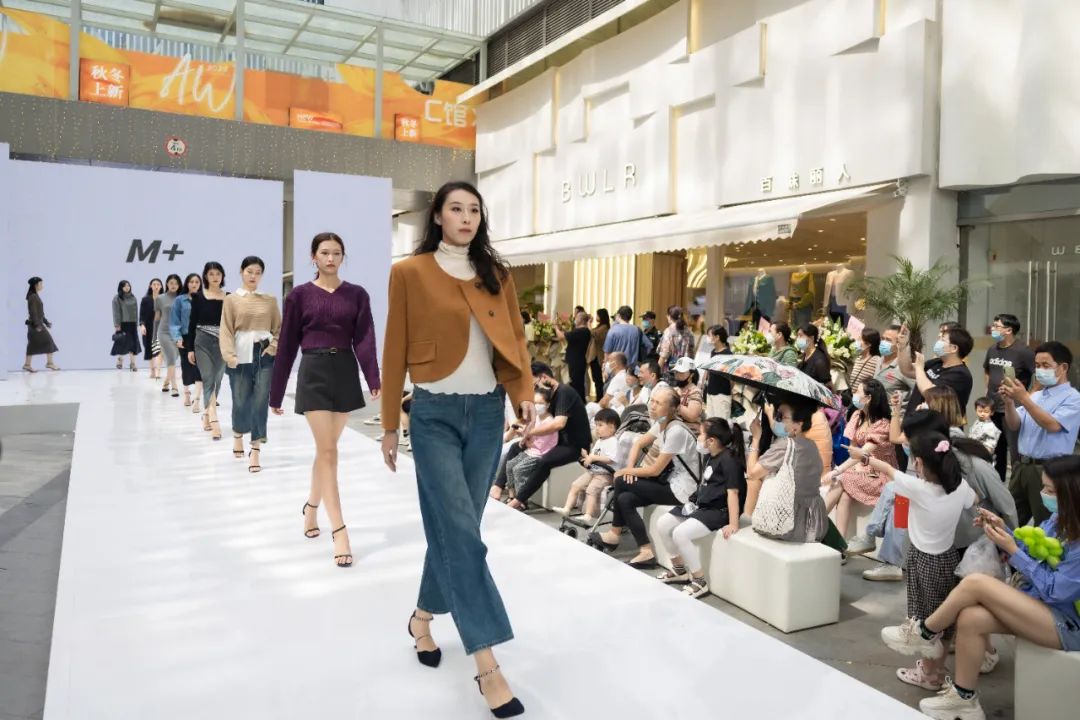
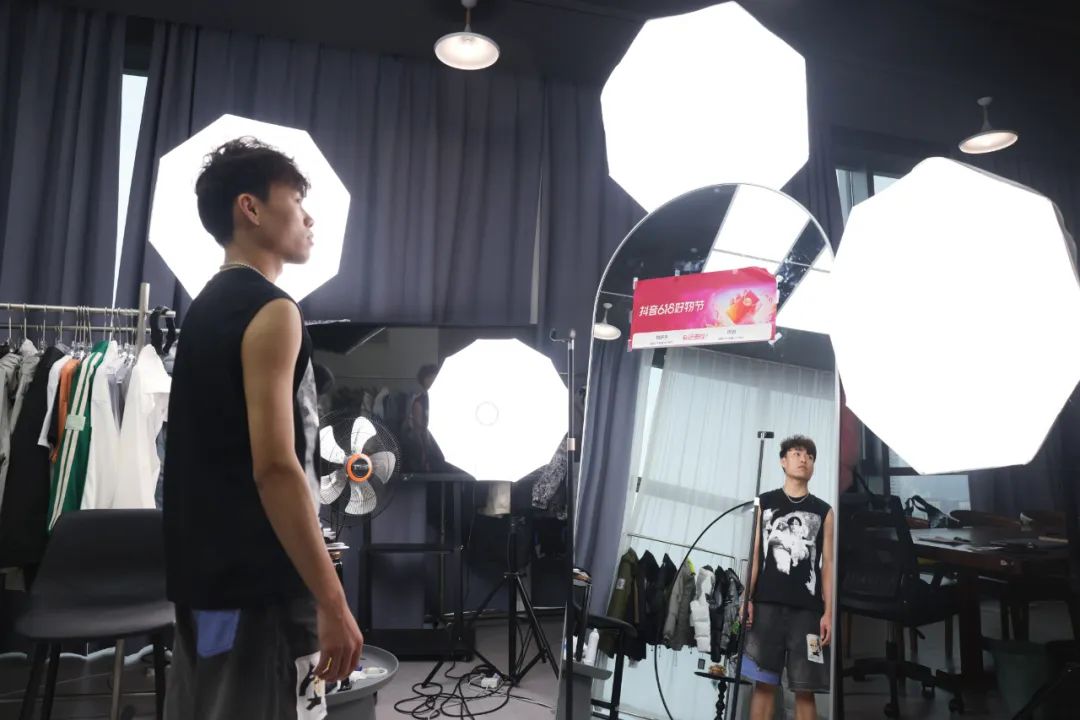
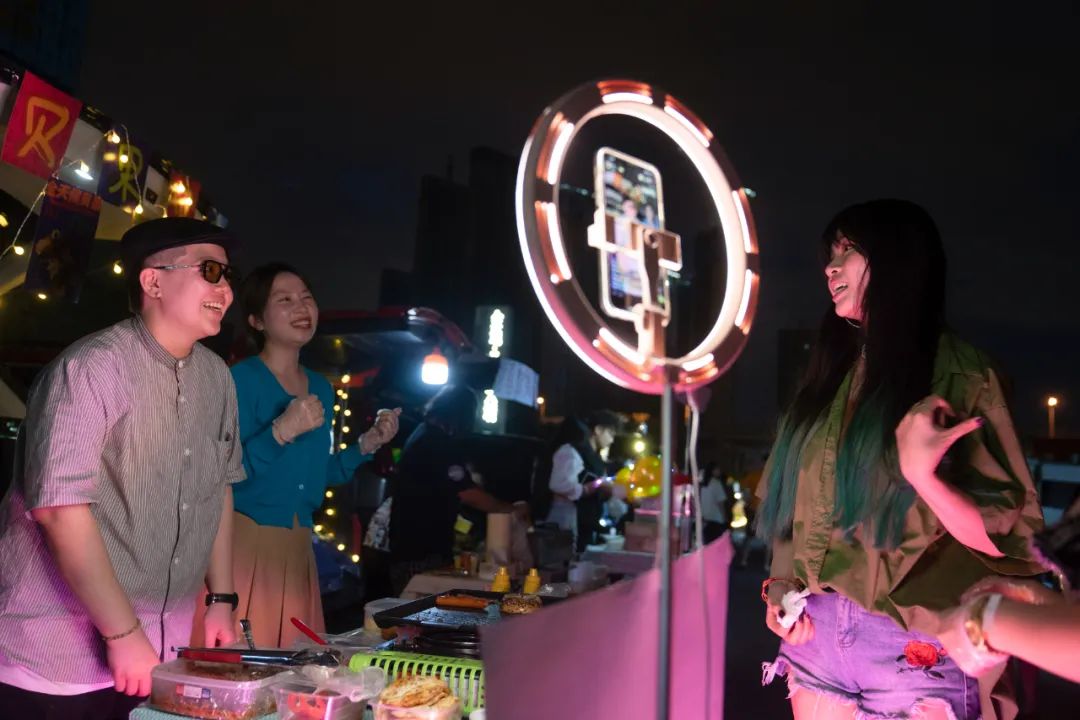
Hanzheng Street now boasts 36 specified markets harboring over 18 thousand merchants. Since 2017 it has hosted the annual event of the China Hanzheng Street Fashion Fair, rolling out such activities as the original product launch of local brands, T-stage shows, training of e-commerce live streaming, and the live-streaming marketing by Internet celebrities.
In the future, Qiaokou District will further highlight its unique features in foreign-related work. Targeting Hanzheng Street as the root of Hankou, the heart of Wuhan, and window to the world, the district will grow to be Wuhan's main business axis; while preserving the old styles of the city, it will turn itself into an international, high-end, and fashionable community, and construct a world-class riverside central service zone that integrates modern finance, high-end business and trade, high-class residences, and cultural tourism and recreation.