In recent years, Wuhan's various districts have been striving to increase the level of opening-up by developing brands with distinctive features. To help our readers better understand this, more effectively tell Wuhan stories to the world, and welcome the 20th National Congress of the Communist Party of China (CPC) with practical action, we are launching a series of bilingual reports related to "One District, One Brand." In this report, we take a look at Xinzhou District — "China's Satellite Valley."
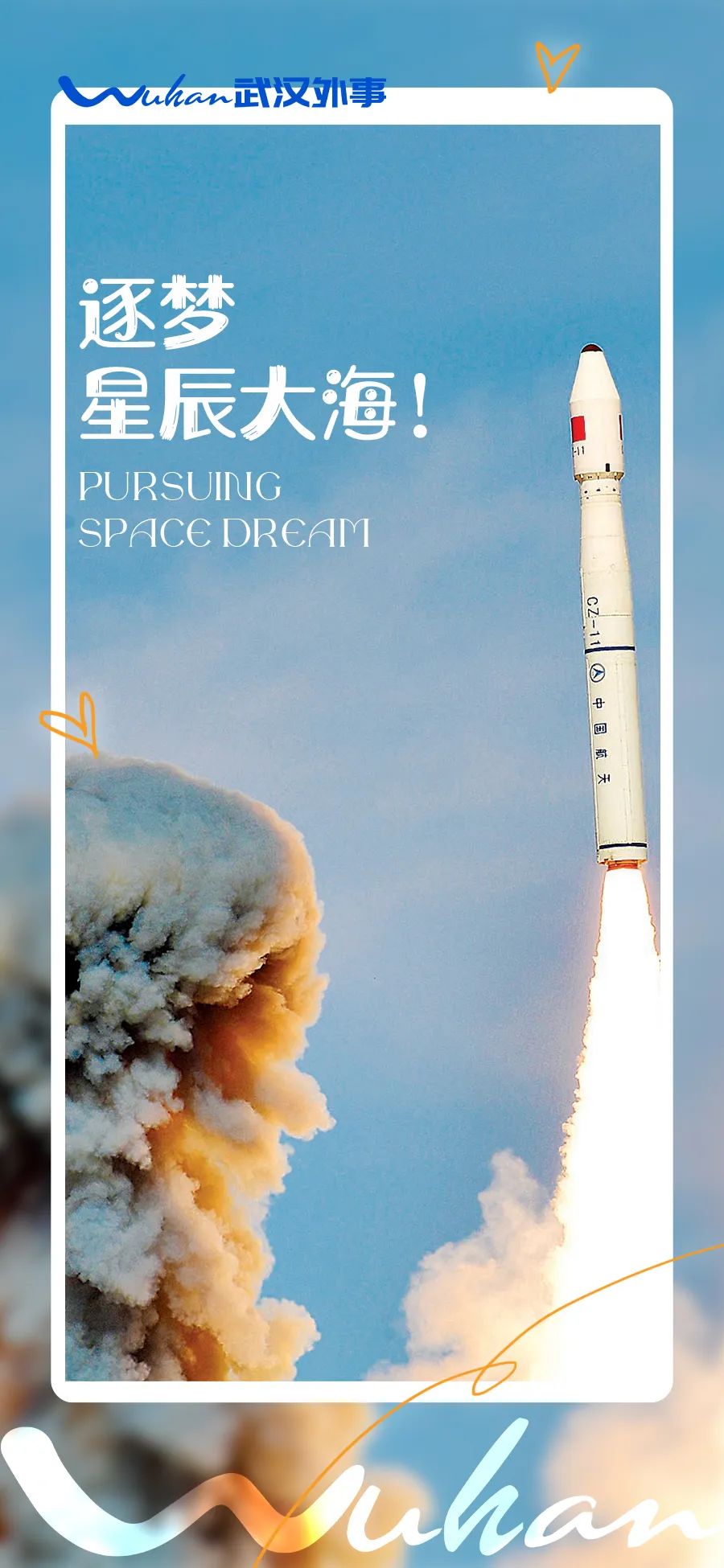
On Oct. 27, 2021, the "Xinzhou" rocket was launched from the Jiuquan Satellite Launch Center. Since that day, "Made in Wuhan" and the "Xinzhou" rocket have left their footprints in the universe.
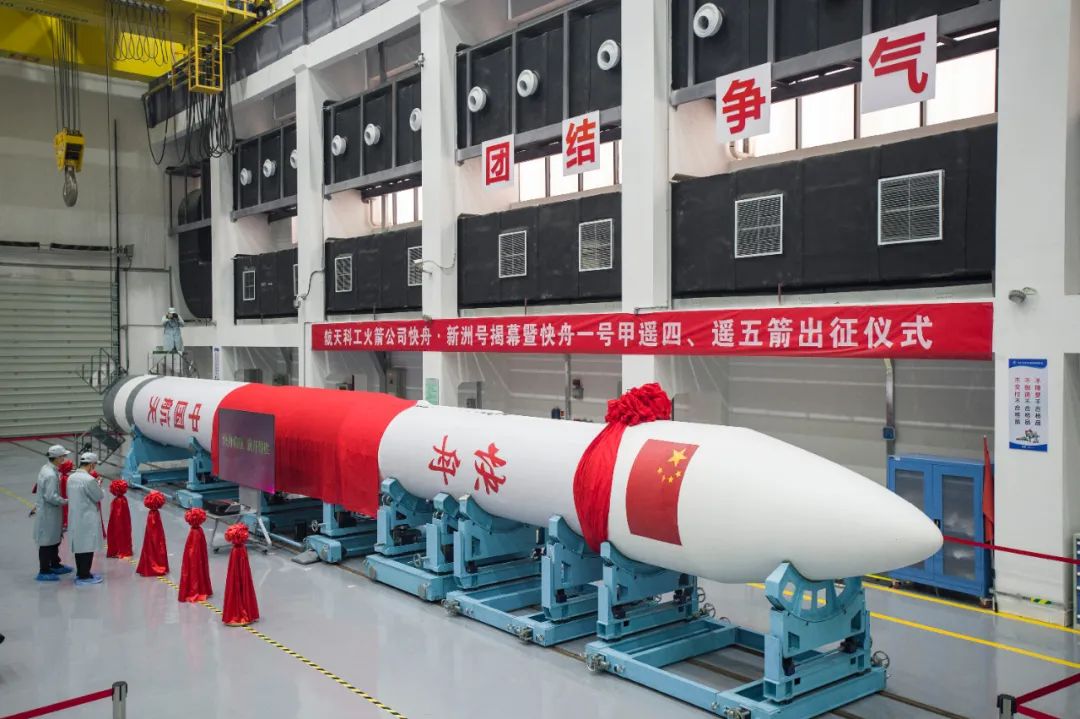
2021年8月21日,新洲区航天科工火箭技术有限公司火箭产业园,“新洲号”火箭准备出征酒泉卫星发射中心,择机发射(如图)。当年10月27日,汉产火箭在酒泉卫星发射中心点火升空,成功将吉林一号高分02F卫星送入预定轨道。
Behind the successful launch are those unsung aerospace workers. In the district there is also an aerospace high-tech industry company, which integrates R&D, design, manufacturing, and the application of satellites, promoting Xinzhou District as a star in aerospace.
The Space Engineering Development Co., Ltd., affiliated with the Second Academy of China Aerospace Science and Industry Corporation (CASIC), was established in Xinzhou in December 2017. The corporation was selected into the "Double Hundred Enterprises" list of State-owned Assets Supervision and Administration Commission of the State Council (SASAC) in May 2021 and has formed the industrial layout of "One Company in Three Places," respectively in Beijing, Wuhan, and Hangzhou. As a key project with epochal significance, China’s first low-orbit broadband communication satellite, which the company is responsible for in its general development, has been selected for the list of 150 "PRC's Firsts."
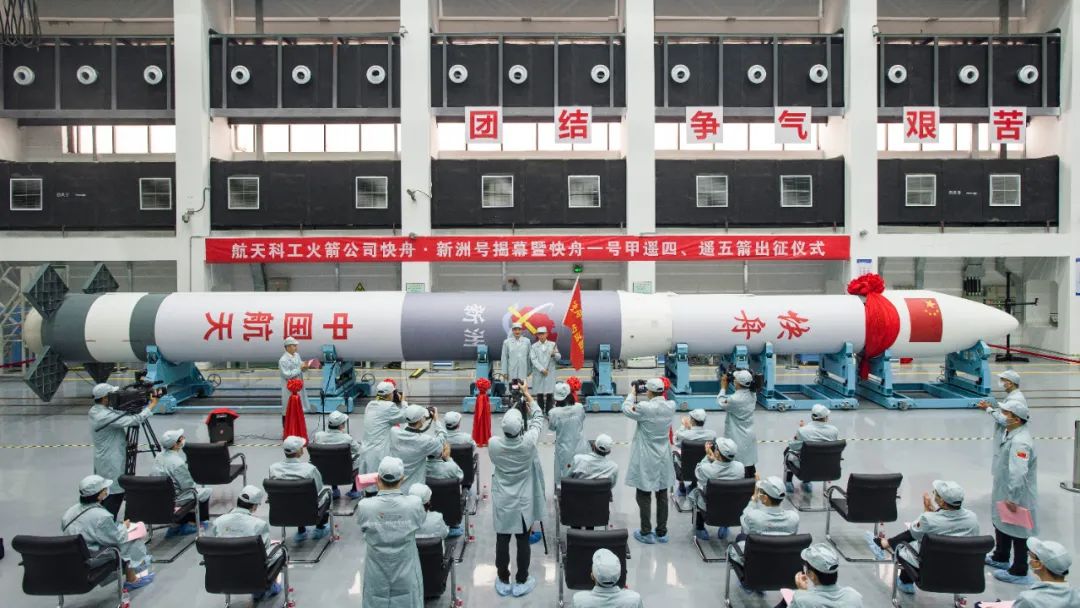
2021年8月21日,新洲区航天科工火箭技术有限公司火箭产业园,“新洲号”火箭准备出征酒泉卫星发射中心,择机发射(如图)。当年10月27日,汉产火箭在酒泉卫星发射中心点火升空,成功将吉林一号高分02F卫星送入预定轨道。
Since 2018, the Space Engineering Development Co., Ltd. has invested nearly RMB 1.2 billion in Xinzhou District to build China's first satellite intelligent production line and relevant supporting facilities, having the capacity for rapid satellite design and mass production, as well as satellite application and service. The scenes of "producing satellites on intelligent lines the same way as making cars" will soon be realized. The era of satellite mass production in China will start in Wuhan.
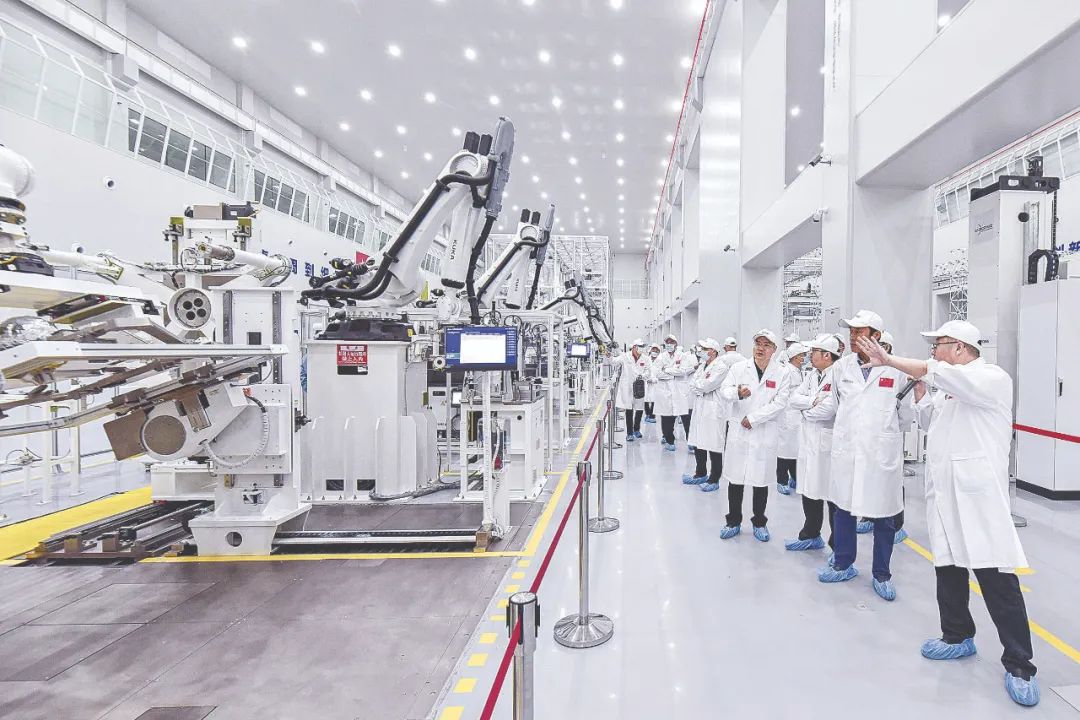
武汉国家航天产业基地国内首条小卫星智能生产线。
The Wuhan National Aerospace Industry Base has also contributed to the development of China's aerospace industry. The base, jointly planned and constructed by the Wuhan Municipal People's Government and CASIC, settled in Xinzhou District in 2017.
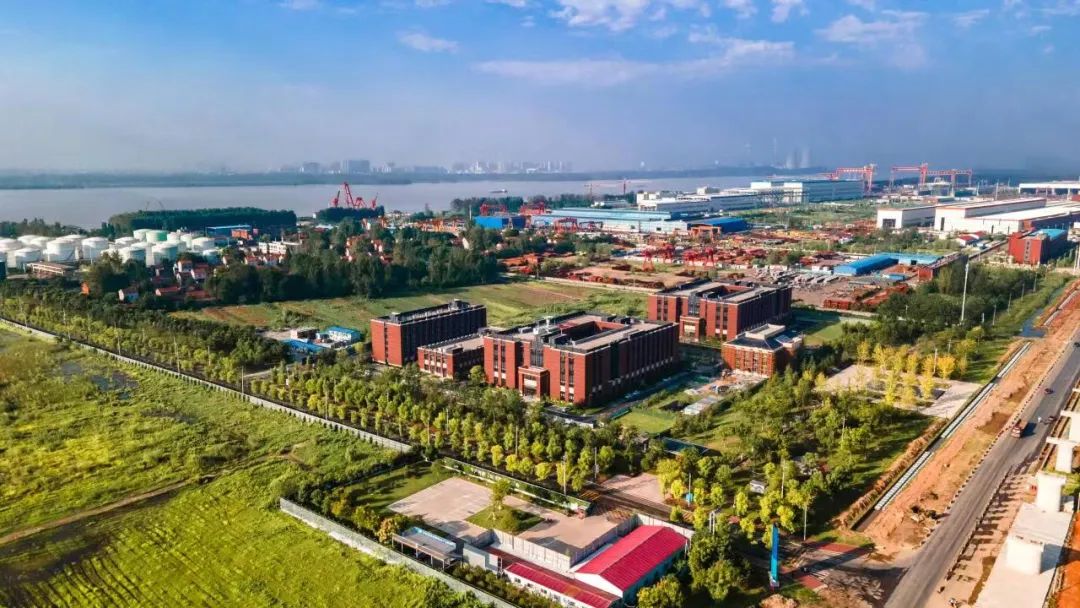
武汉国家航天产业基地。
Over the past five years, the agglomeration effect has emerged gradually and a large number of high-tech enterprises have gathered in the base, which drives the formation of the upstream and downstream chains of the aerospace industry, such as rocket, satellite, remote sensing, aerospace material, aerospace measurement, and control technology, as well as the layout of the entire aerospace industry chain in Hubei. At present, the base has laid a solid professional industrial foundation and formed a relatively complete industrial chain.

星谷大道为推动武汉国家航天产业基地发展提供支撑。
Along with the opening of the first rocket industrial park in China and a satellite industrial park, "Xingyun Project,"
the space-based Internet of Things, is planning to create China's first low-orbit narrowband communication satellite constellation and has put into operation a measurement and operation control center in the base. All these accomplishments will accelerate the construction and development of "China's Satellite Valley" and provide new energy for the province as "the third pole of China's aerospace industry."
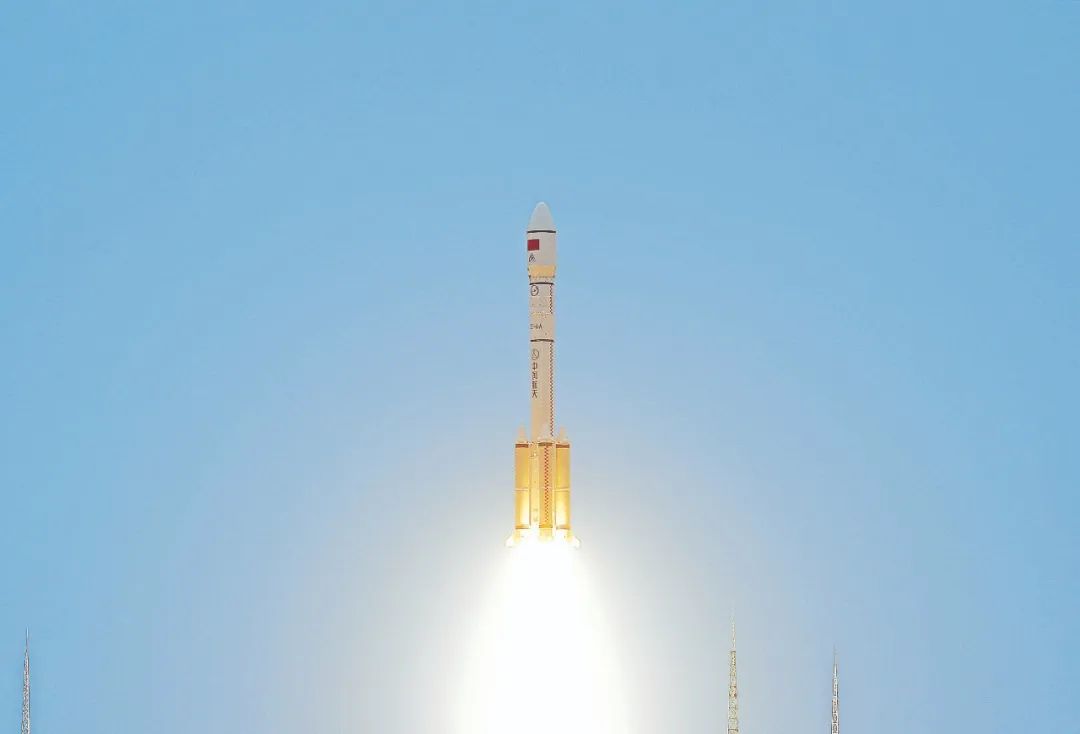
今年3月29日,长征六号改运载火箭搭载武汉研制的天鲲二号卫星成功发射。
In the future, Xinzhou District will take full advantage of its superior geographical position and resources in space science and industry to achieve mutual benefits and common development, contributing its share towards the advancement of China's aerospace industry.
