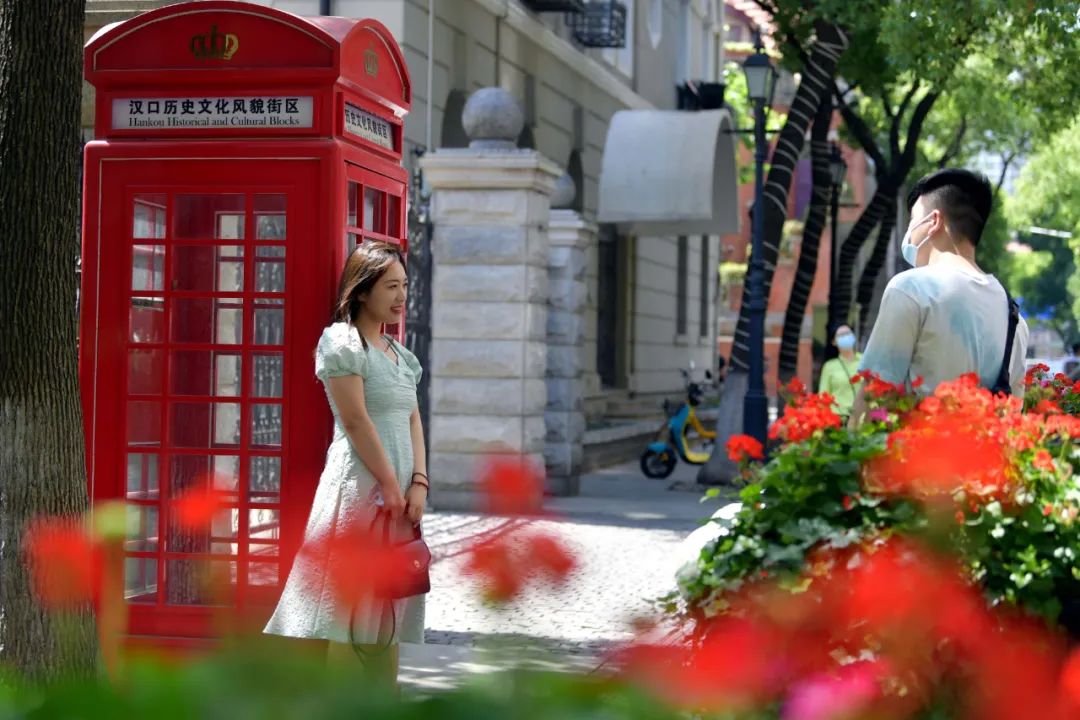
In recent years, Wuhan's various districts have been striving to increase the level of opening-up by developing brands with distinctive features. To help our readers better understand this, more effectively tell Wuhan stories to the world, and welcome the 20th National Congress of the Communist Party of China (CPC) with practical action, we are launching a series of bilingual reports related to "One District, One Brand." In this report, we will take a look at the Hankou Historical and Cultural Region in Jiang'an District.
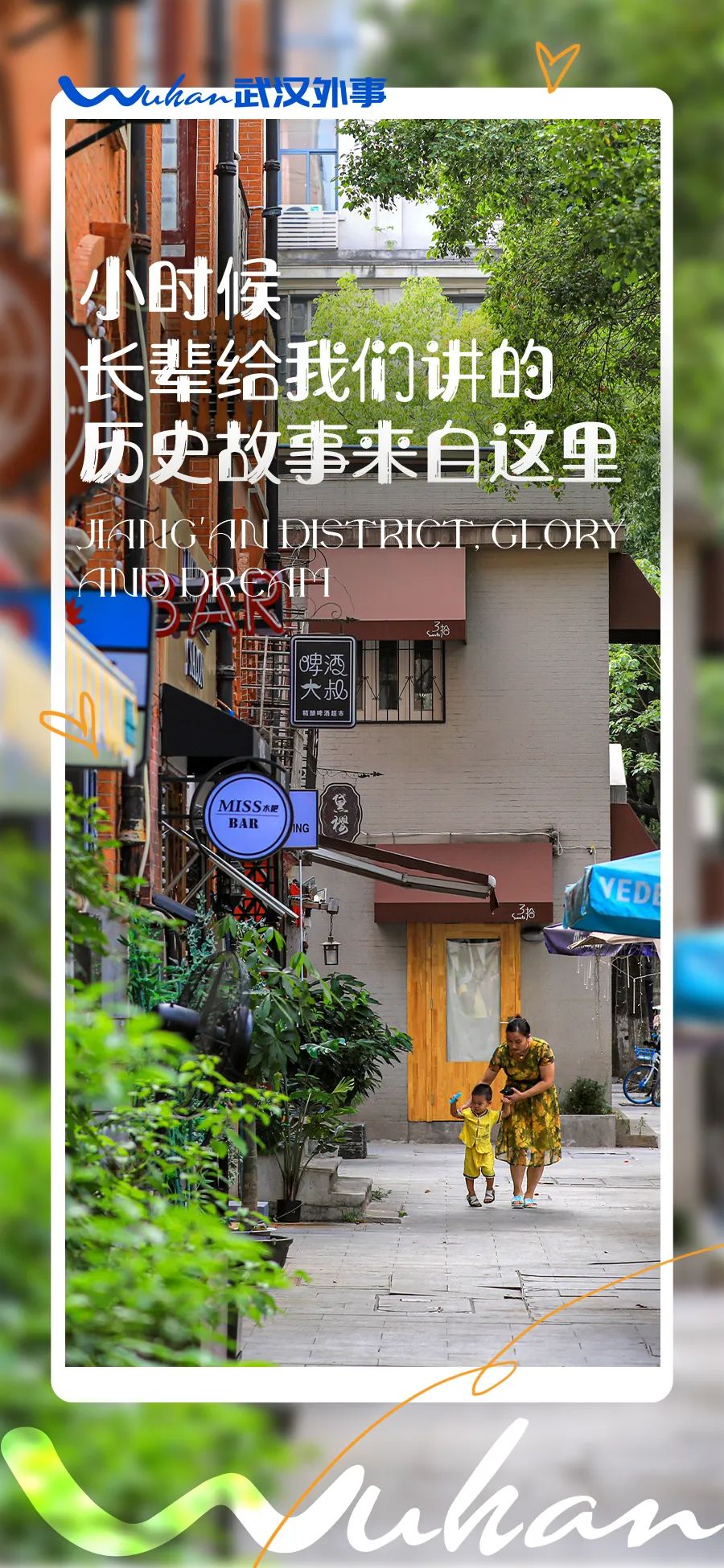
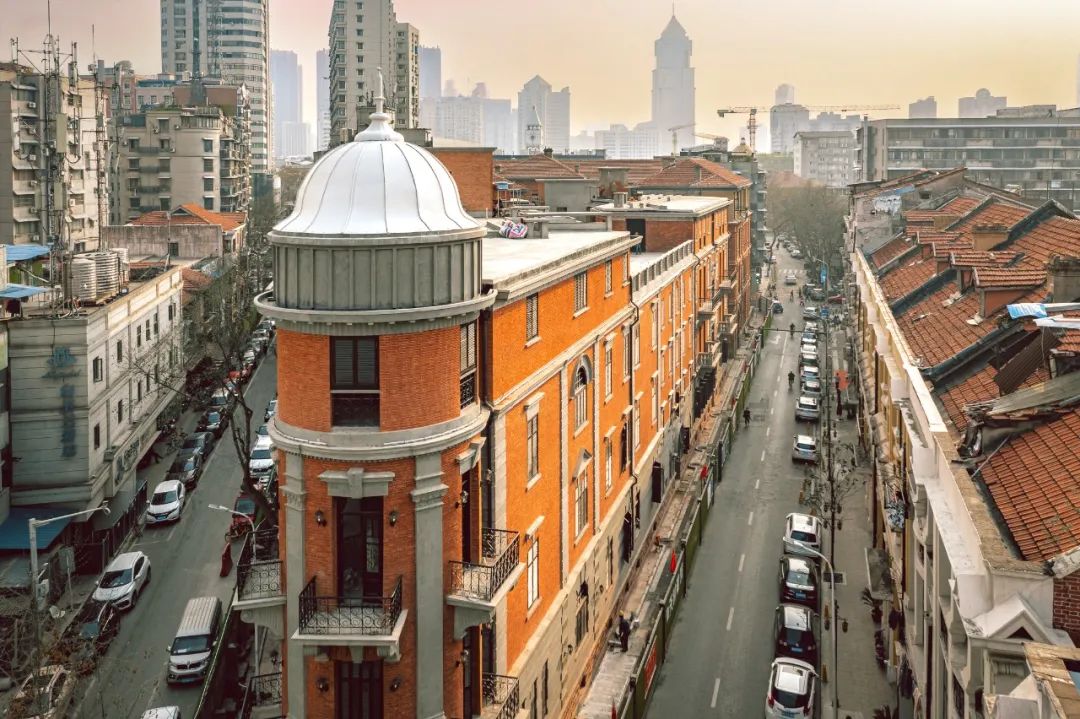
Jiqing Street, Lihuangpi Road, the Site of the August 7 Conference, and the Site of the CPC Central Committee in Wuhan… These places are reminiscent of the historical stories that have so often been on the lips of our older generations. And these culturally and politically significant places, all located in Jiang'an District, have left a splendid and indelible chapter of history on this land.
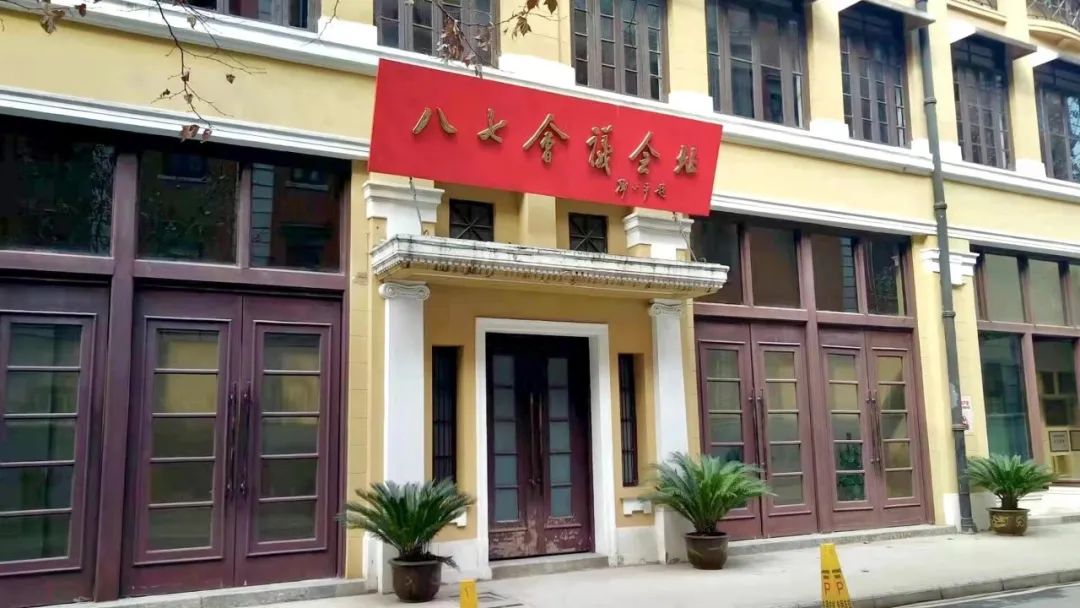
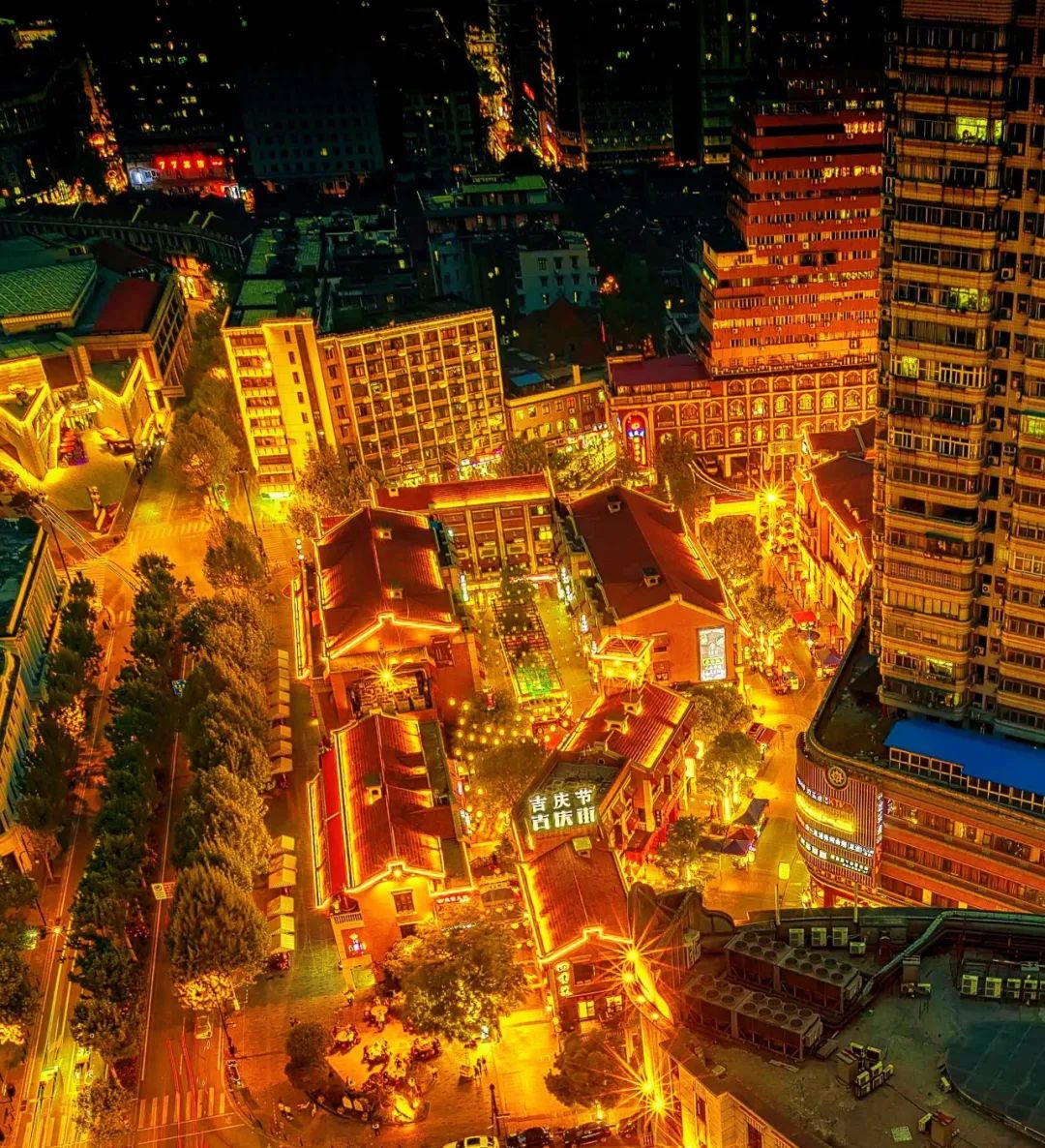
The Hankou Historical and Cultural Region, where consulates and diplomatic offices from 20 foreign countries were stationed, is the best preserved and most concentrated area in the city. The cultural, historical, and lifen-style buildings there have witnessed the changes and development of Wuhan in modern history.
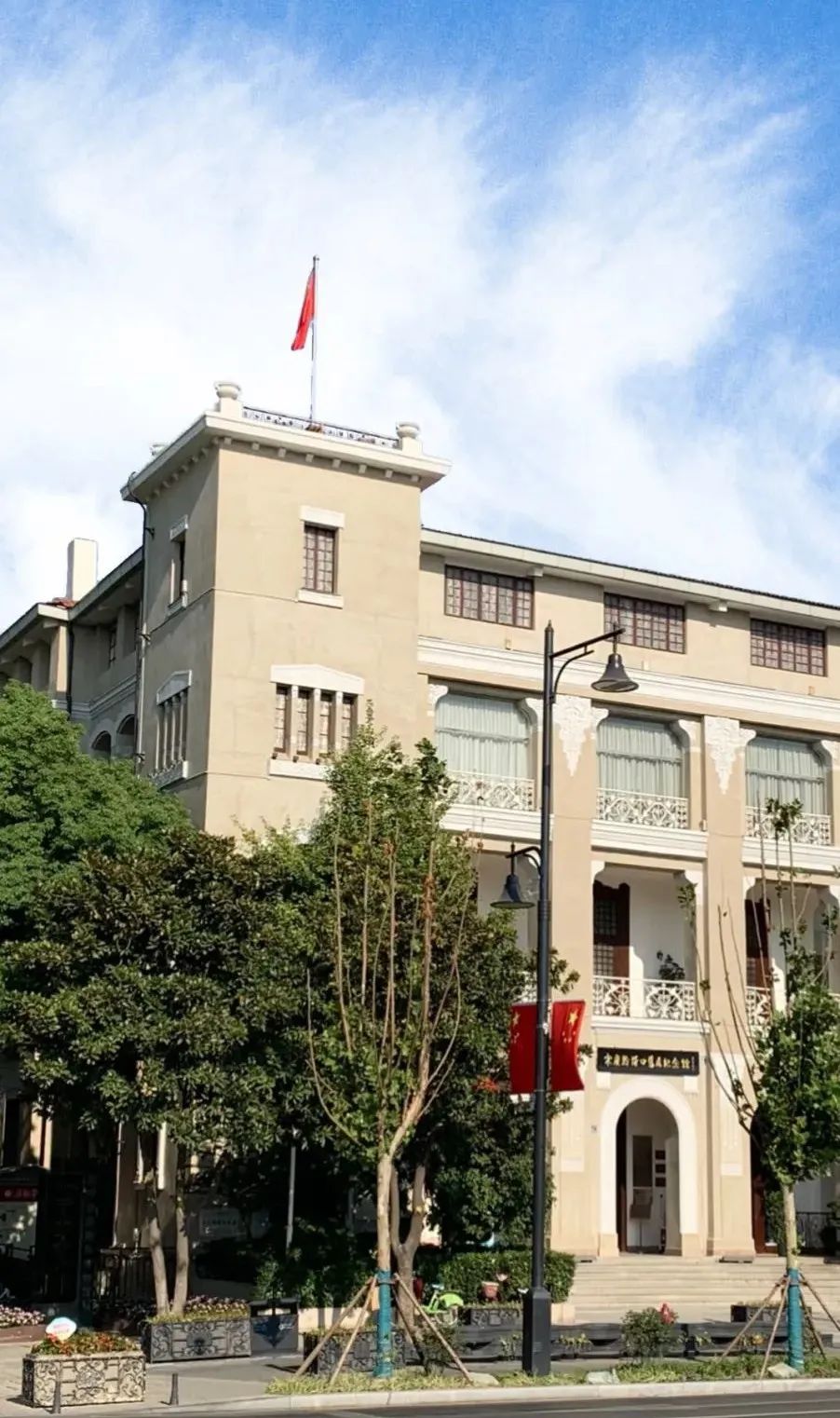
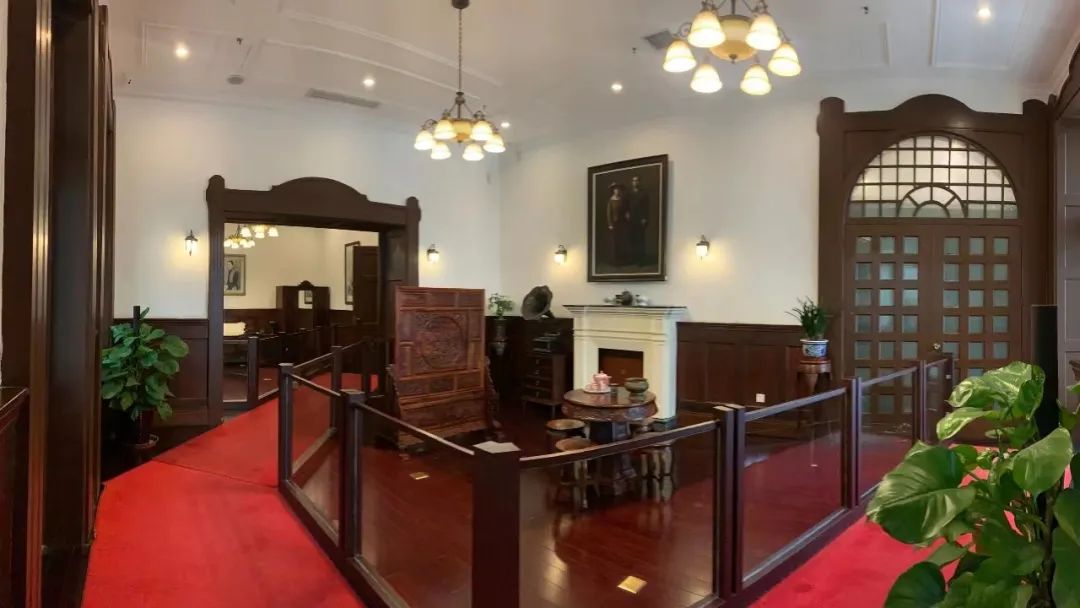
The former site of the Hankou Russo-Chinese Bank, where Soong Ching-ling used to live, is located at the intersection of Yanjiang Avenue and Lihuangpi Road, with a building area of about 4,000 square meters. In October 1926, the then national government moved the capital from Guangzhou to Wuhan and this very building became the Hankou branch of the national government's central bank. On December 10 the same year, Soong Ching-ling came to Wuhan and lived in the building during her stay in the city. The building is now a memorial hall for Soong's residence in Hankou.
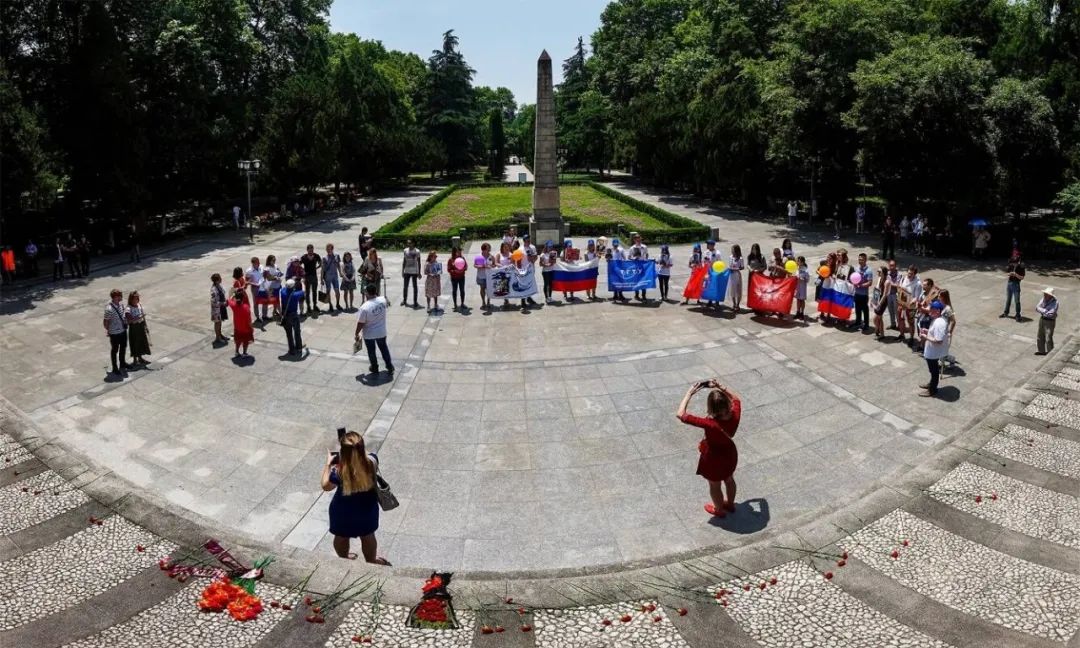
Also among the national key cultural relics protection units is the Monument for the Fallen Heroes of the Soviet Volunteer Air Force in Jiefang Park. The monument was erected in 1951 to commemorate the 29 soldiers of the Soviet Air Force who sacrificed their lives to help the Chinese people during the War of Resistance Against Japanese Aggression. The front of the monument is engraved with the Chinese characters "苏联空军志愿队烈士墓" (Monument for the Fallen Heroes of the Soviet Volunteer Air Force),and the back is engraved with "在中国人民抗日战争中牺牲的苏联空军志愿队烈士永垂不朽!" (The heroes of the Soviet Volunteer Air Force who sacrificed their lives in the Chinese People's War of Resistance against Japanese Aggression are immortal!). The characters convey Chinese people's sincere wish to cherish history, friendship and peace.
The memories of Wuhan are passed down in the stories told by our older generations and exist in the renewed historical and cultural streets and blocks. Development and protection go hand in hand when it comes to renovation of old structures. Jiang'an District sticks to the principle of restoring the old to as they were, of equal emphasis on protection and inheriting, and of both renovation and upgrading. This century-old district has embarked on a journey of rebirth and in the near future will transform into a world-class display and fashion hub for history and culture embodying the spirit of Wuhan.
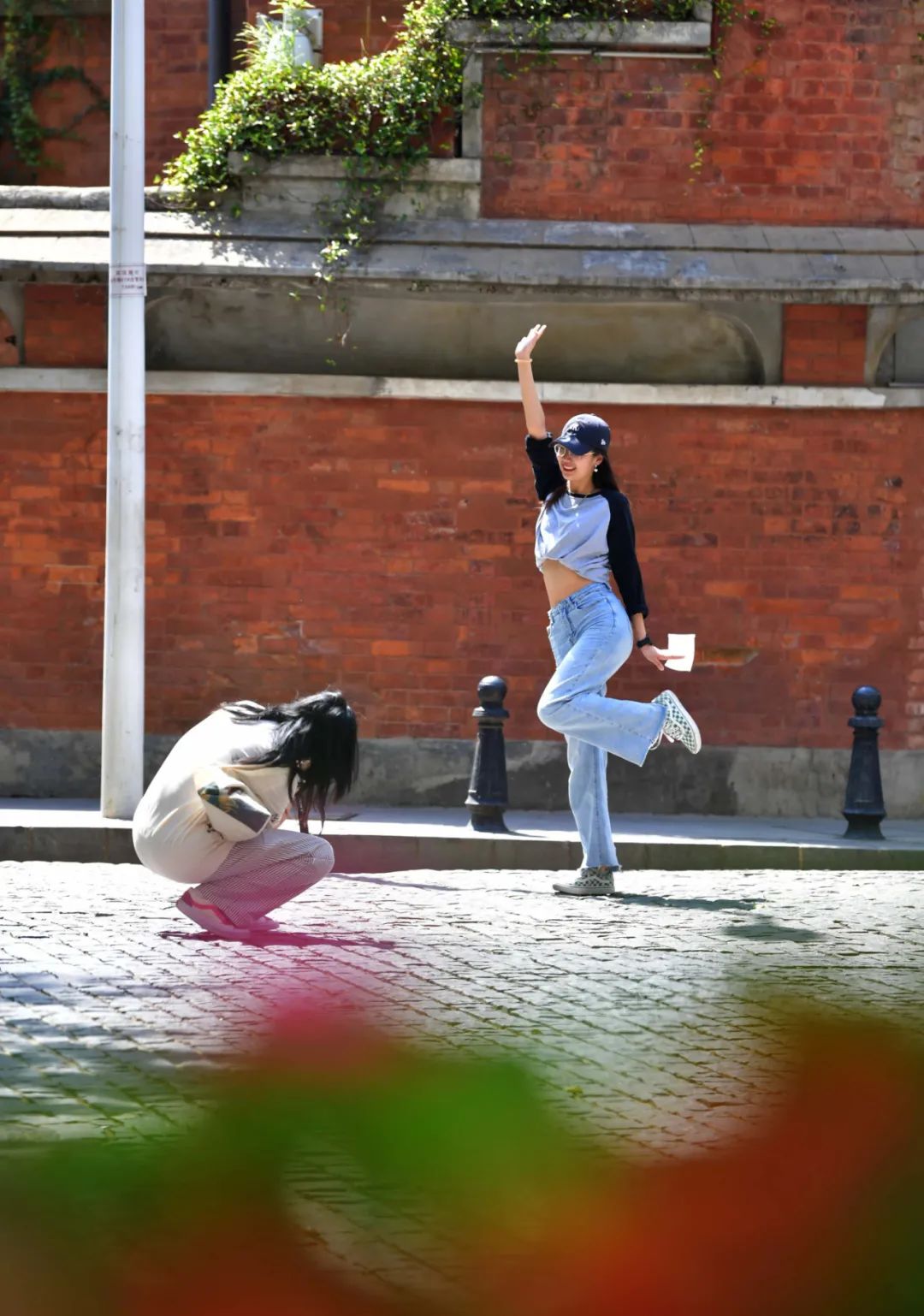
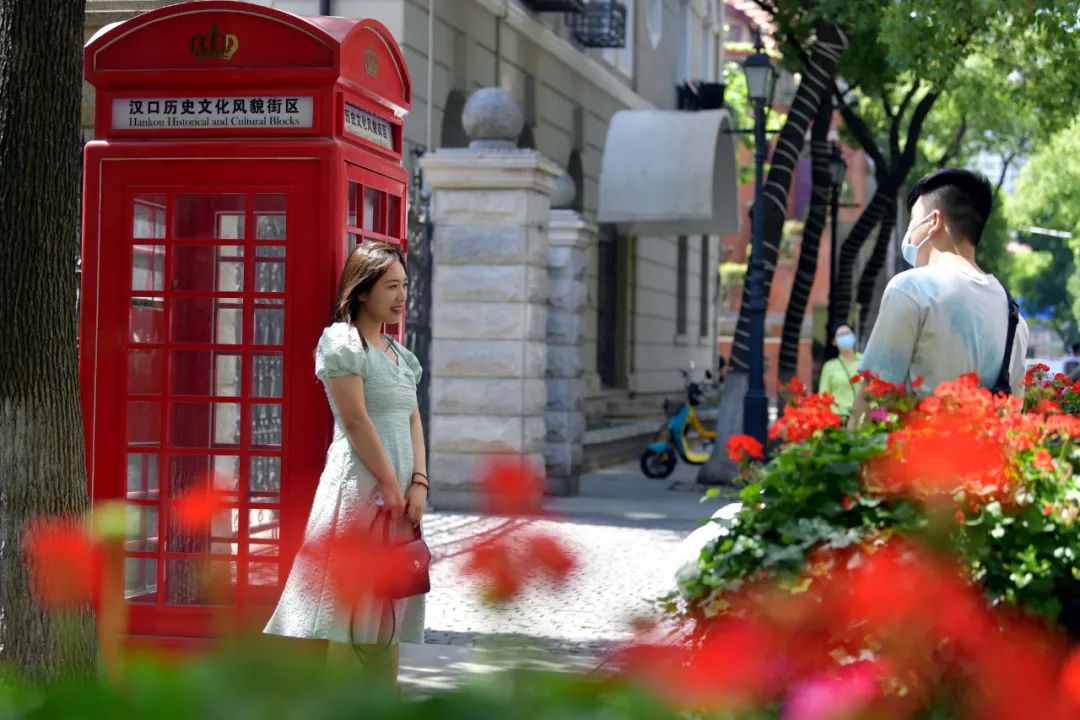
This year, Jiang'an District will continue to hinge on the overall strategic position as "the heart of Hankou, and the beautiful Jiang'an." It will continue to promote the "the Hankou Historical and Cultural Region" brand. With the goal of building a world-class riverfront historical and cultural region, Jiang'an District will strive to build itself into a district with cultural strength that reflects both the deep history of the old Hankou and its modernity and grandness.
